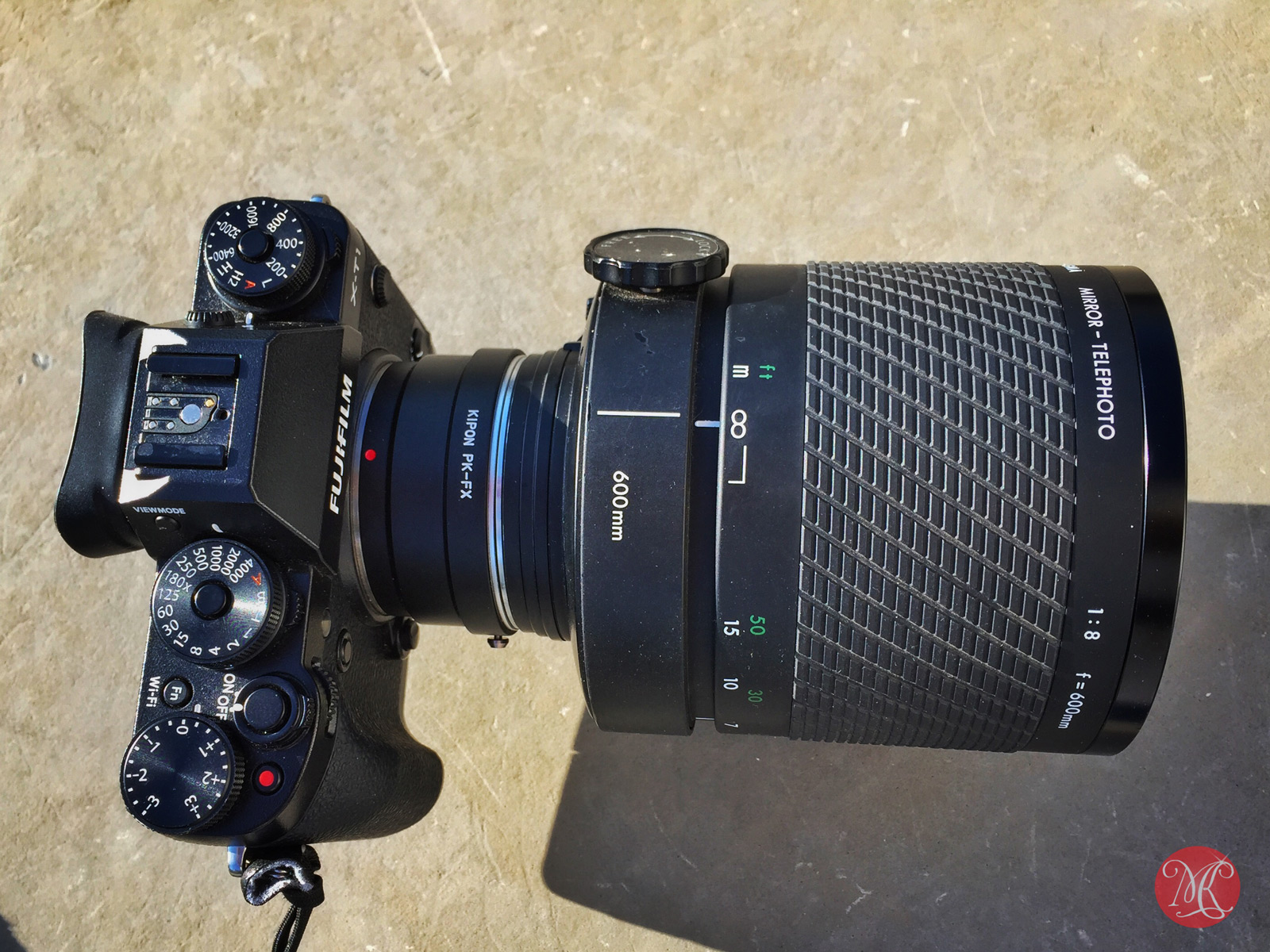
Fuji and Sigma 600mm f8

Fuji and Sigma 600mm f8

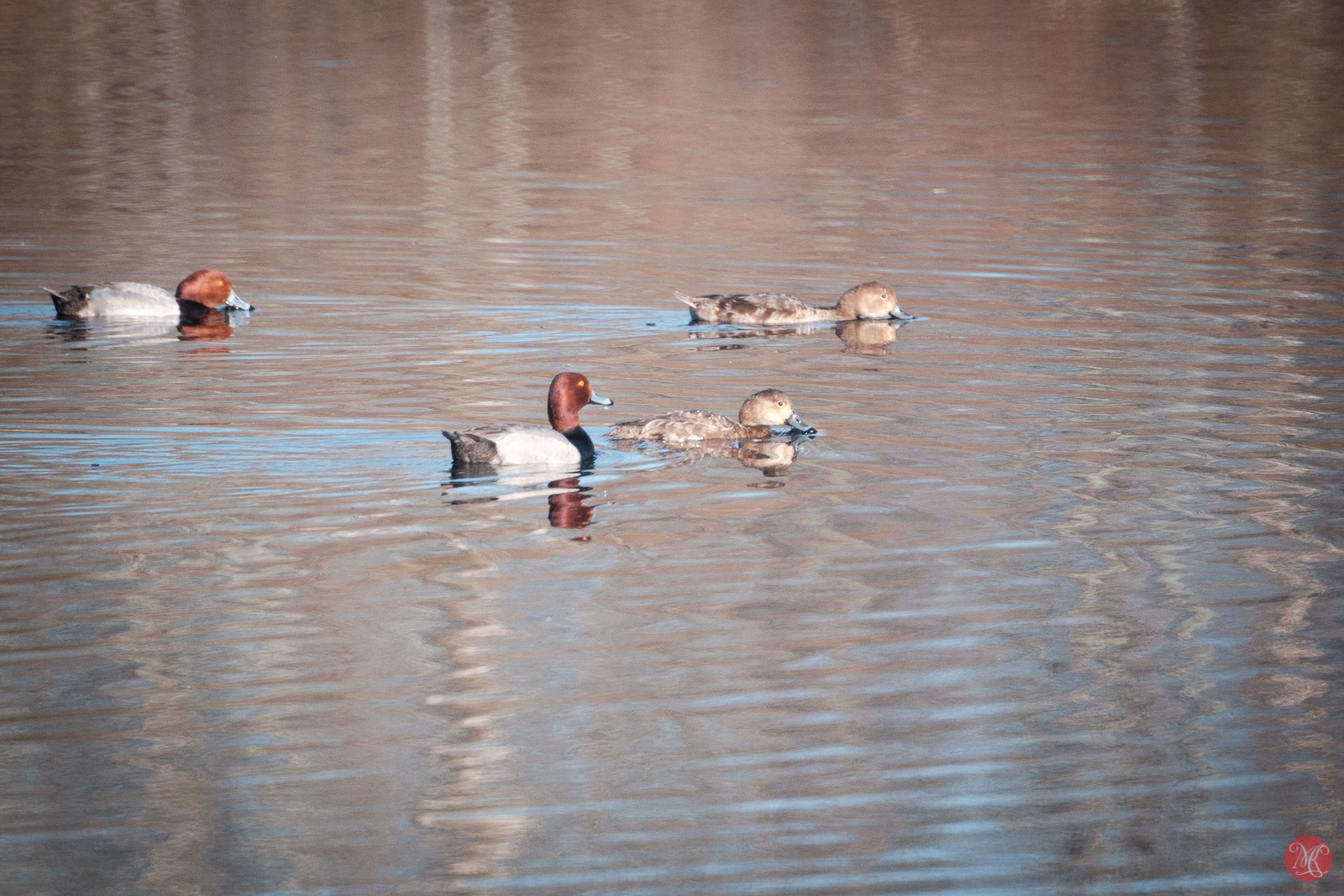
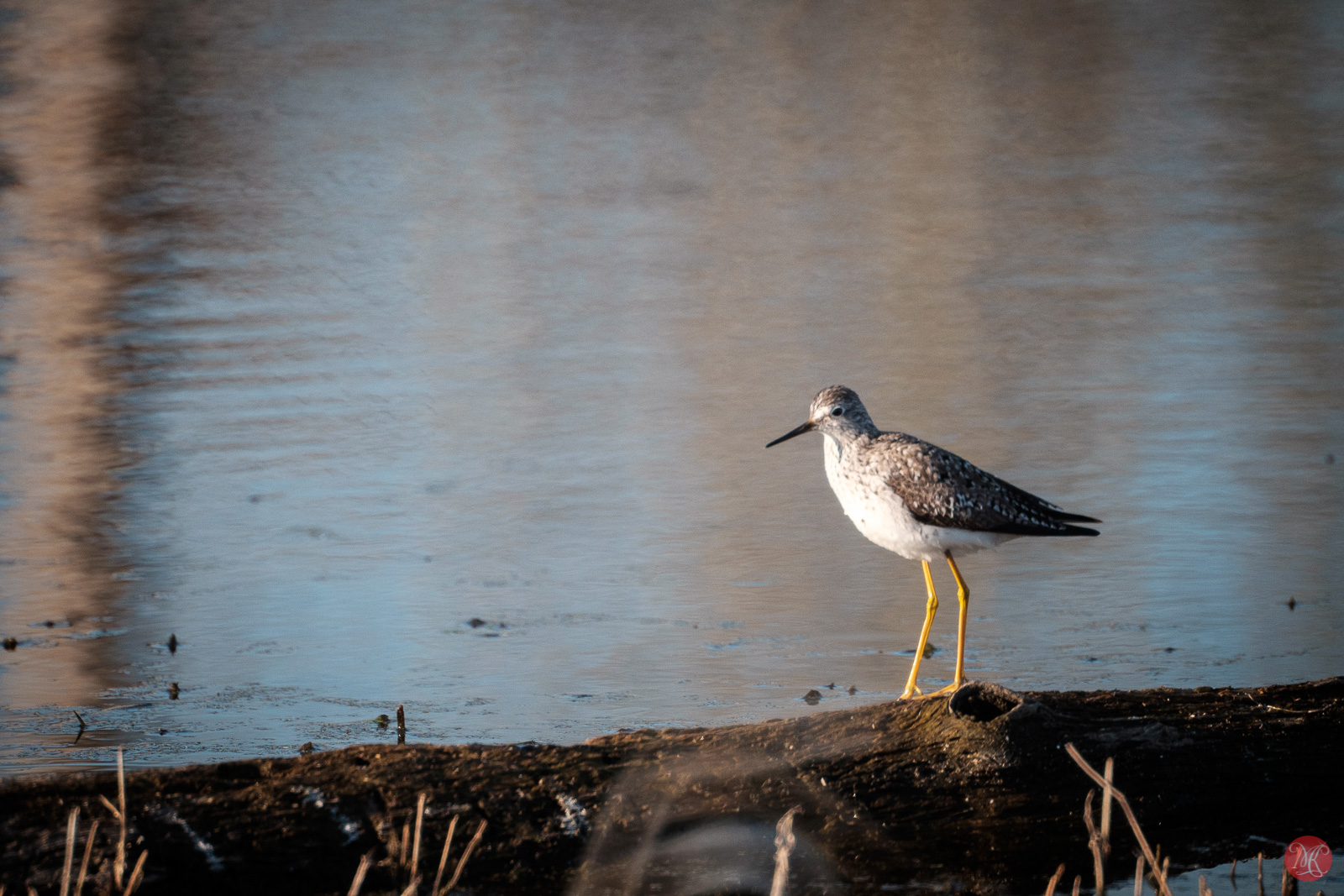
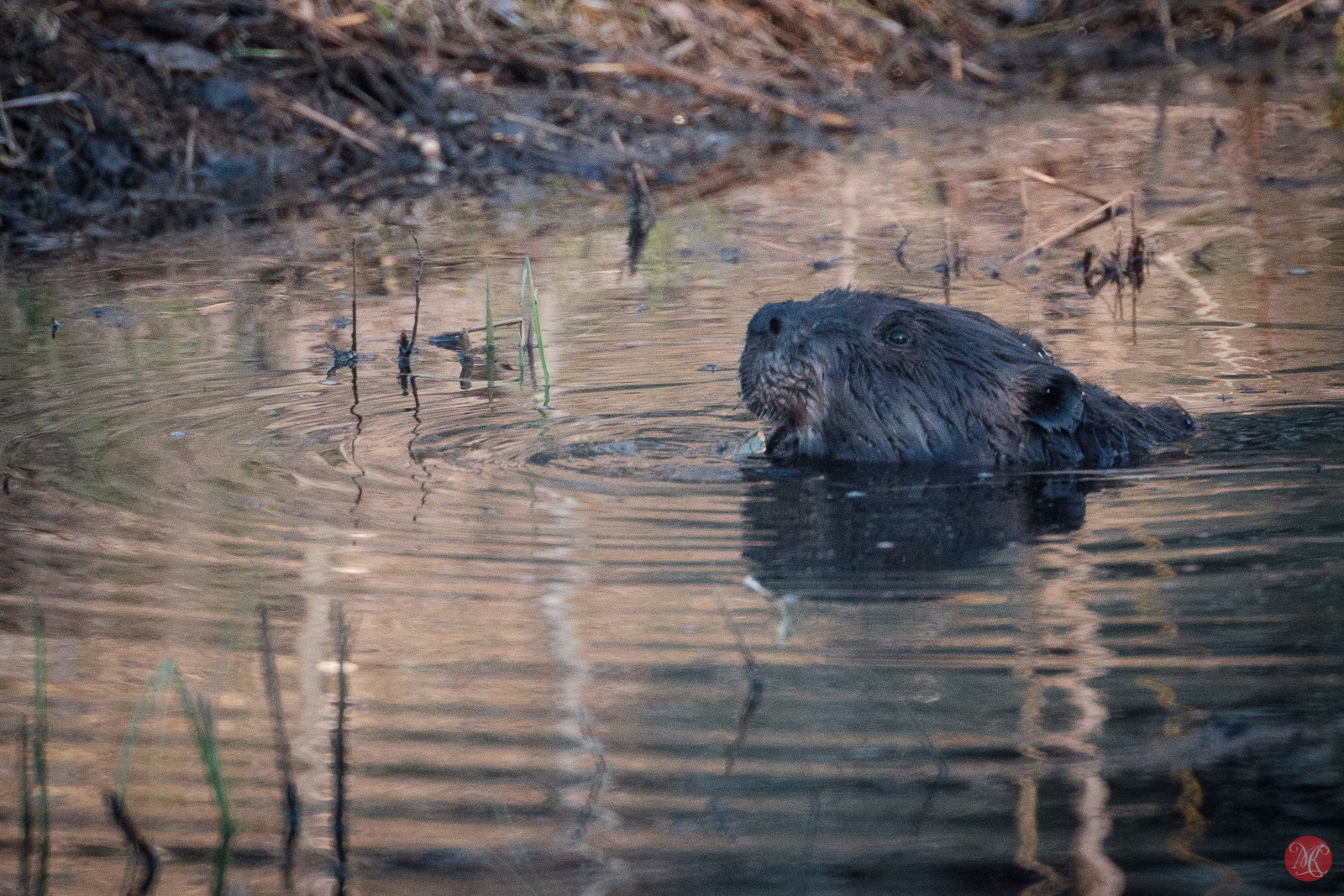
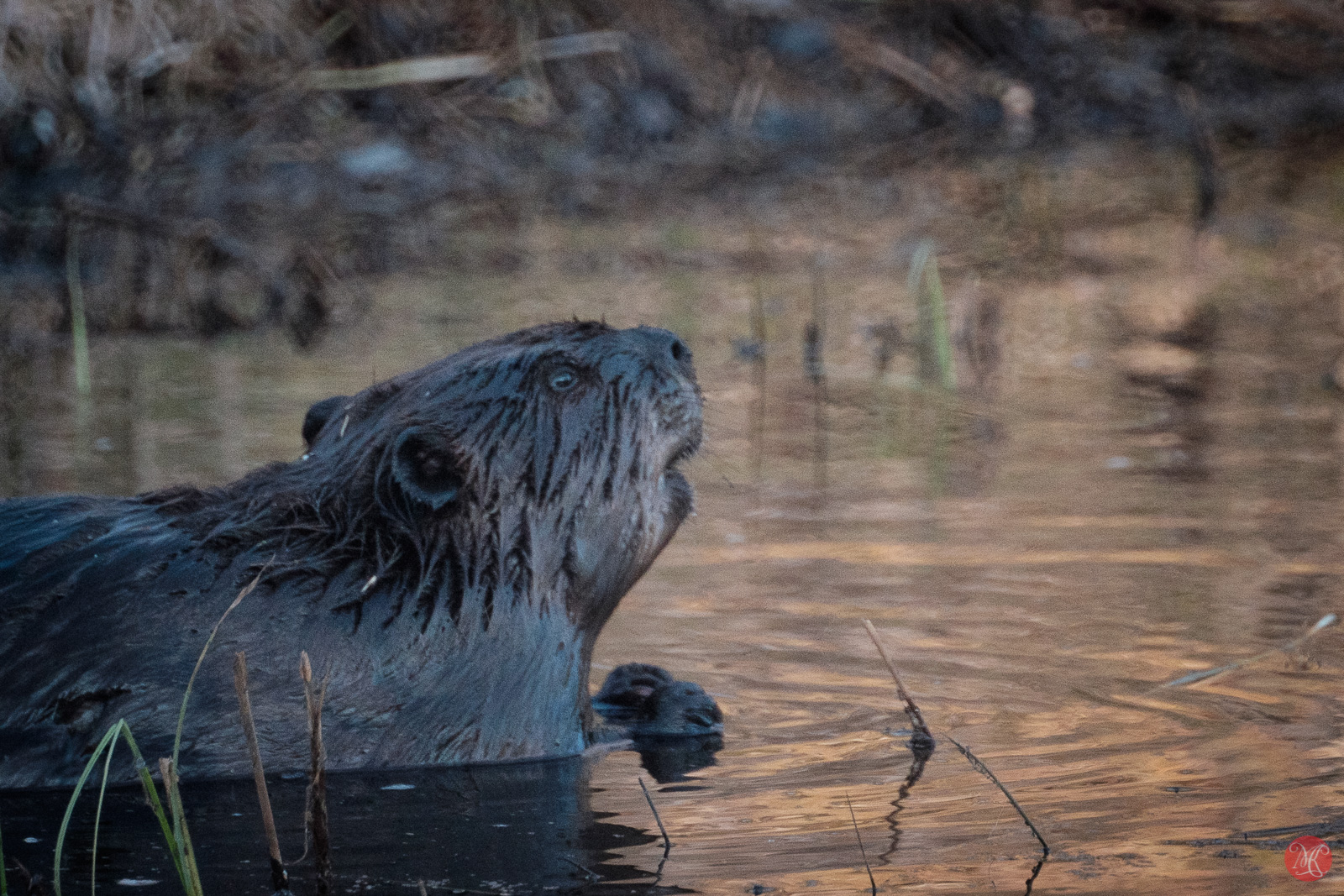
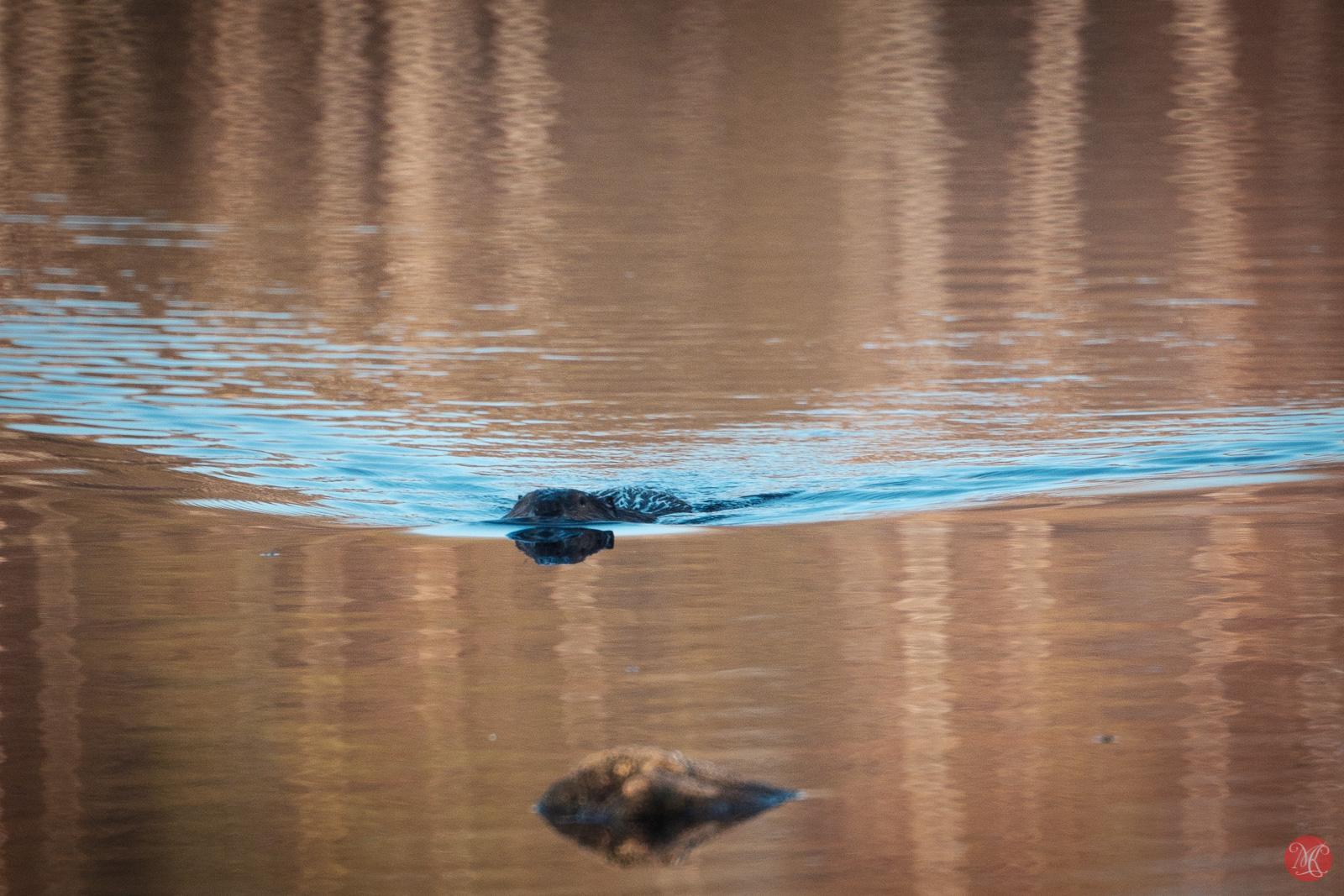
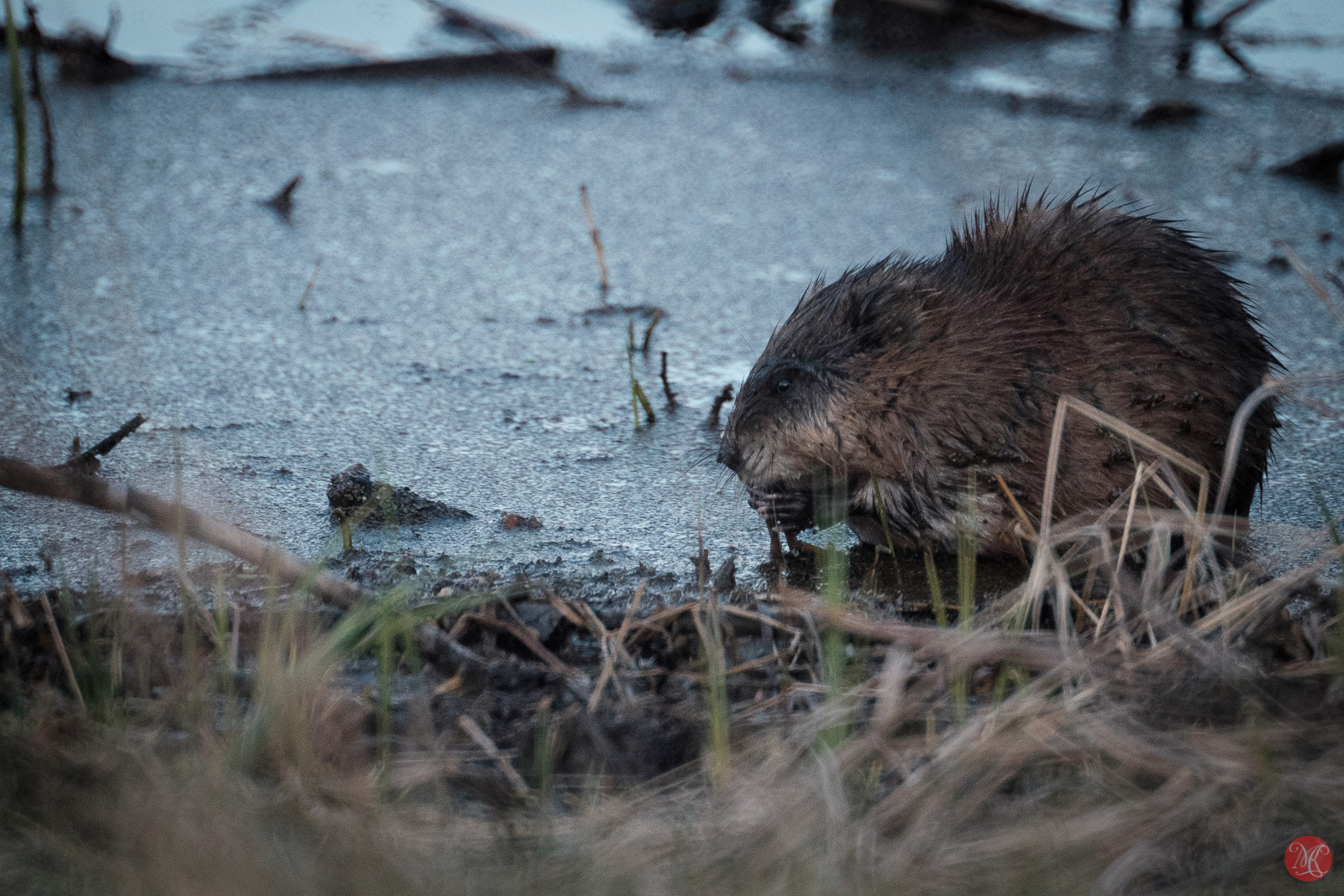
Recently I had a chance to swap some of my old Pentax lenses for a very interesting lens.  It makes a mirror-less Fuji X-T1 camera into a mirrored one.  This is a Sigma 600mm f8 mirror lens.
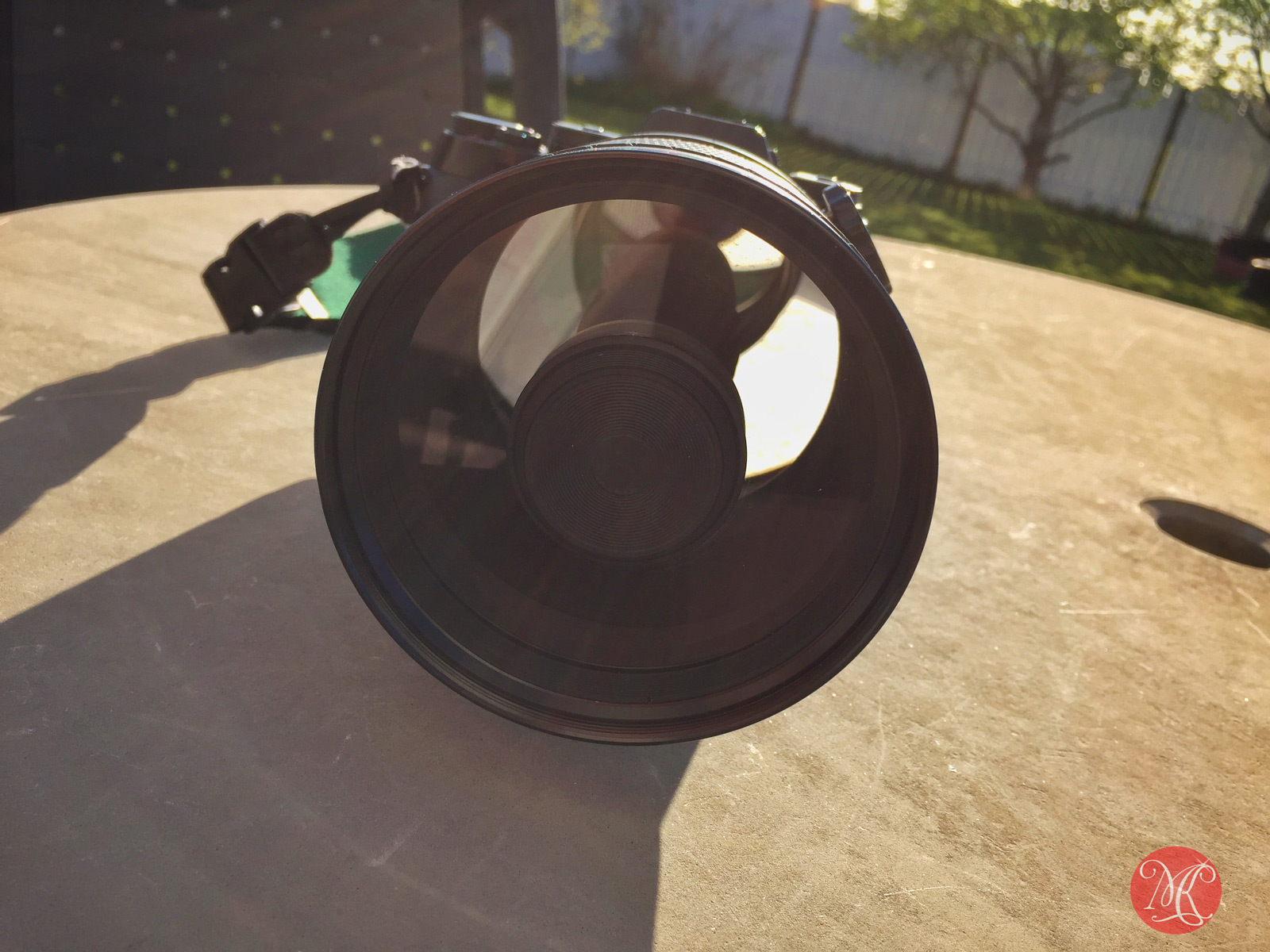
The principle of this type of lens is quite simple.  It works as a reflector, with a big mirror at the back of the lens focusing at another mirror in the front (that little black circle in the middle) and into the camera.  This design allows the lens to be very compact compared to an equivalent standard lens. 
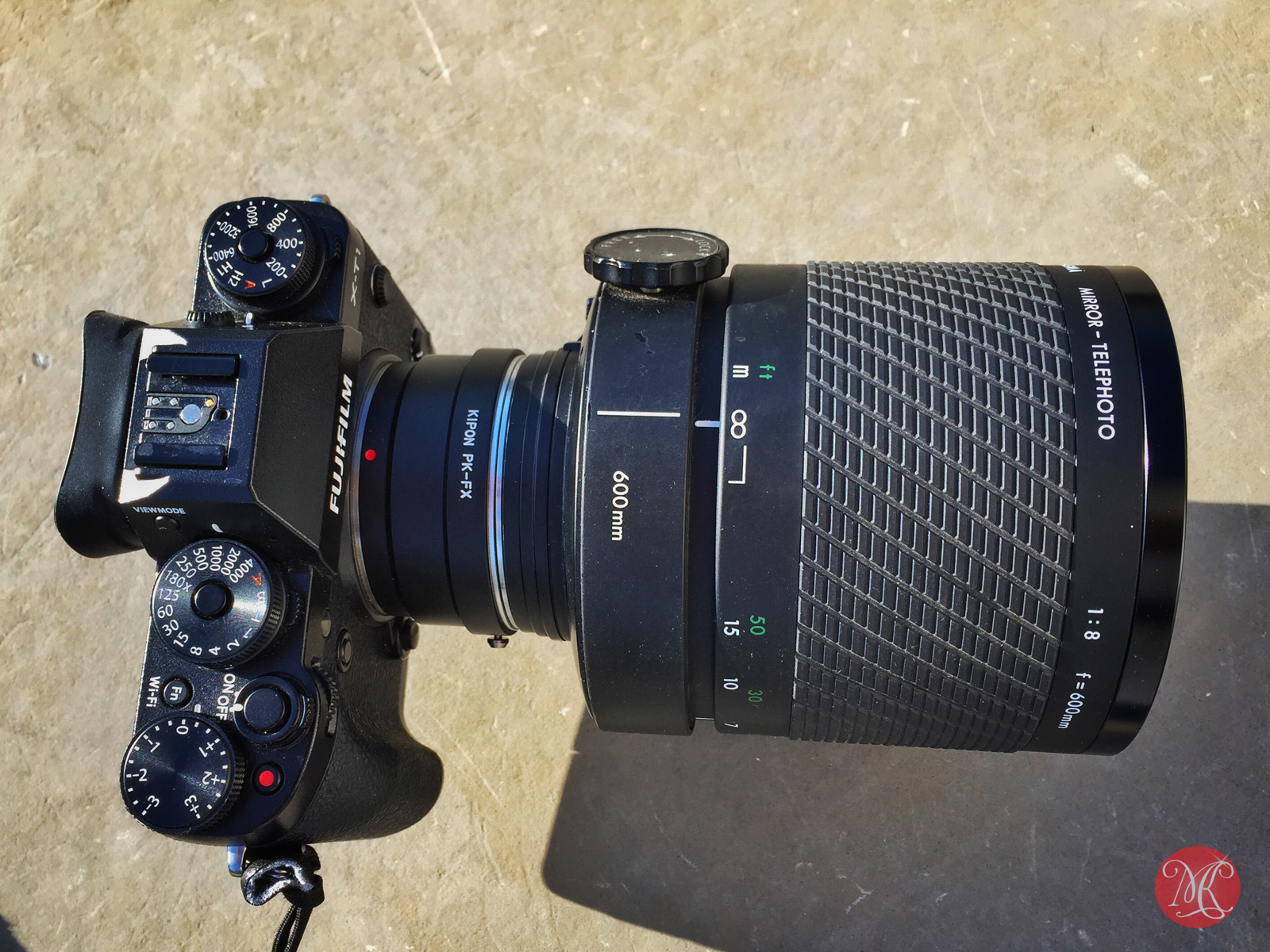
Lets talk first about the advantages of this.  It’s 600mm, and on a crop sensor it gives you a very nice 900mm field of view.  It’s well build, with with smooth focus ring. Minimum focus is about 2m, which is quite close.  Sigma has printed 1:3 Macro at that position 🙂 .  The lens is quite light, and can be used handheld, plus it is cheap.  This one cost $175cdn.  Not bad….
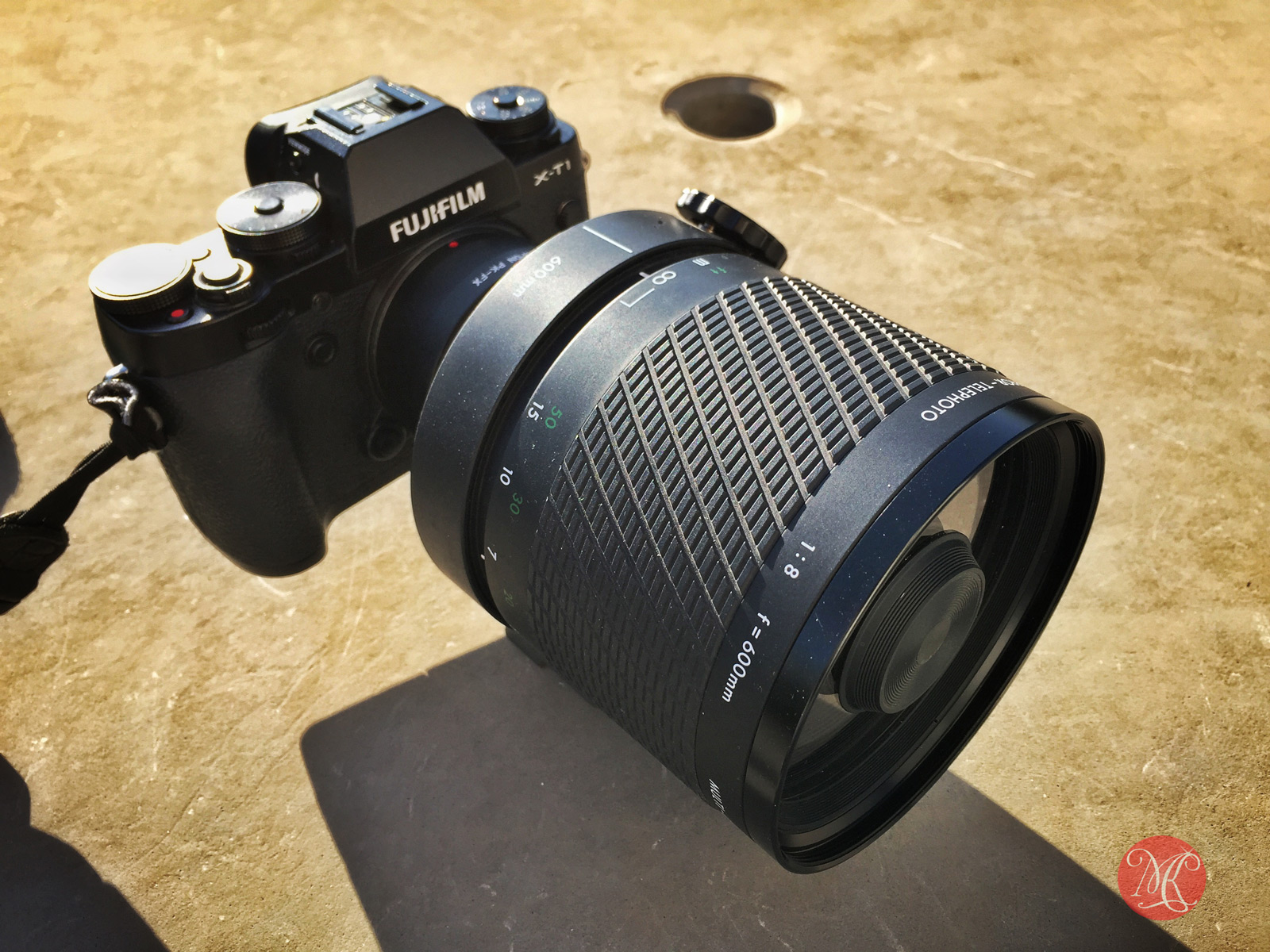
Now lets talk about bad… The aperture is constant f8.  This means that with out a tripod and lots of light the lens is almost unusable.  I had to switch to manual shutter of 1/1000 to be able to shoot handheld, and let the camera choose ISO.  Many times the ISO would be around 1600-3200 or even higher.  Fuji deals with noise very well, and I did not mind it.  The depth of field is very shallow, which in turn makes proper focus a little challenging.  Again Fuji comes to the rescue, with it’s arsenal of manual focus aids.  I found that digital split image focus worked best. 
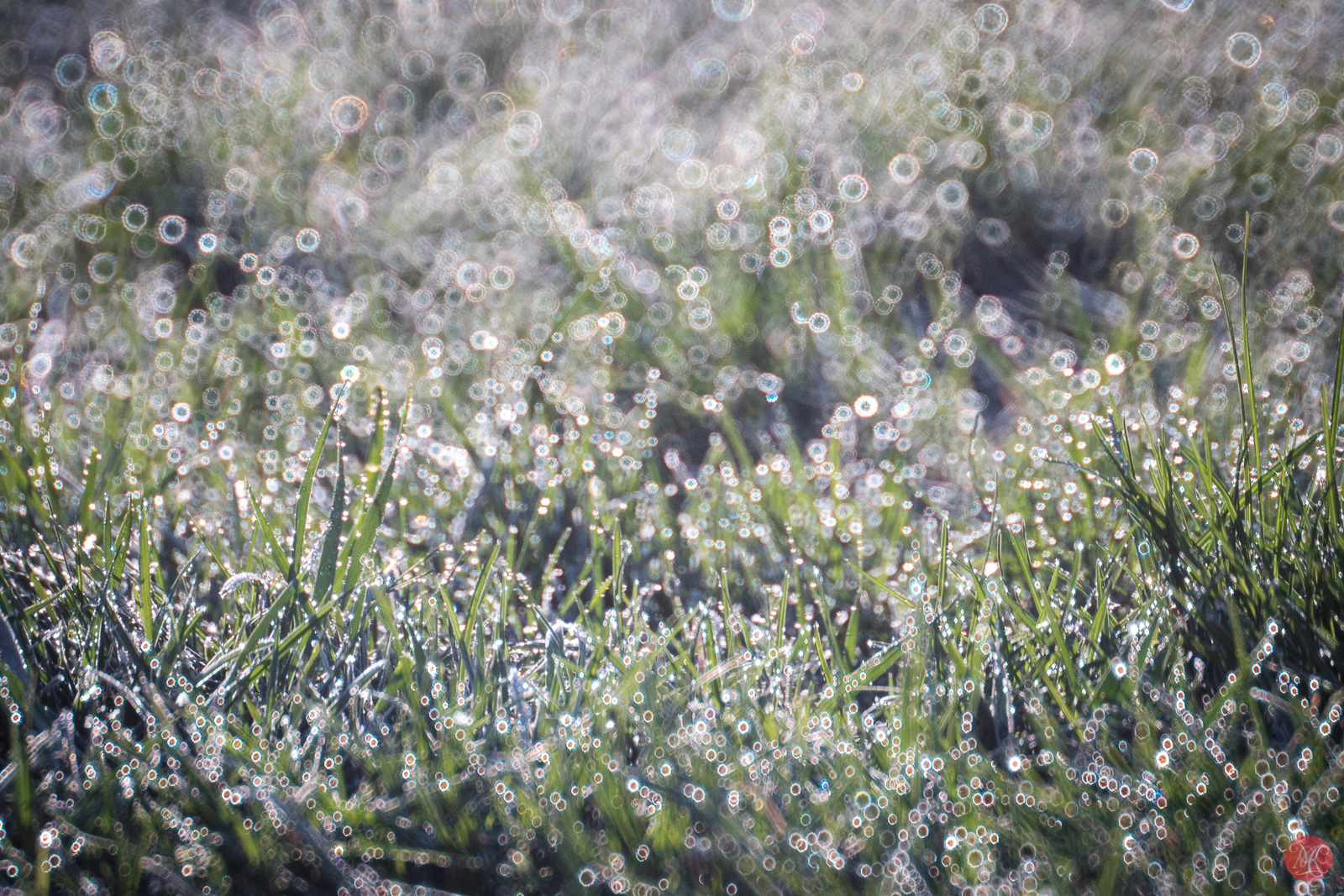
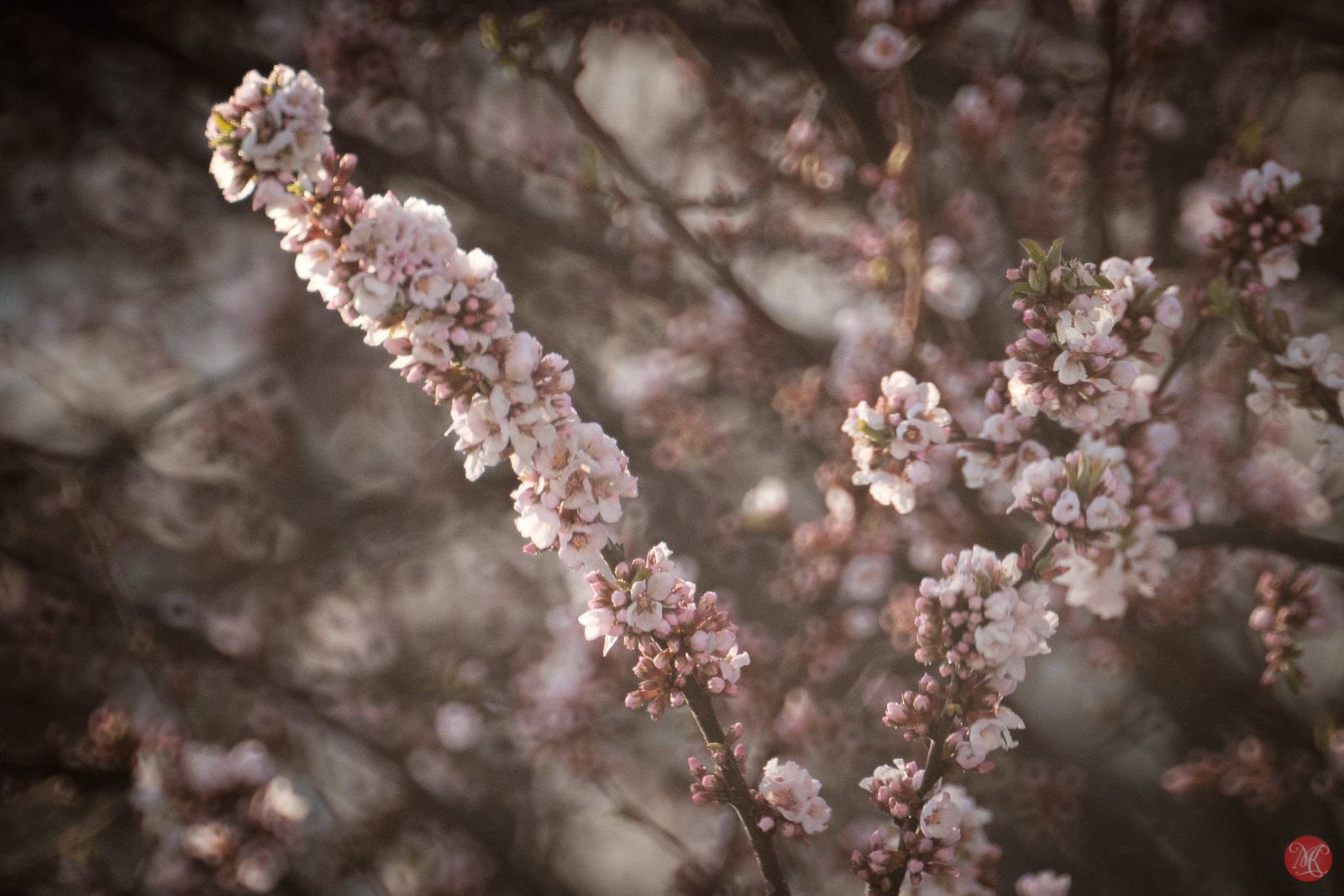
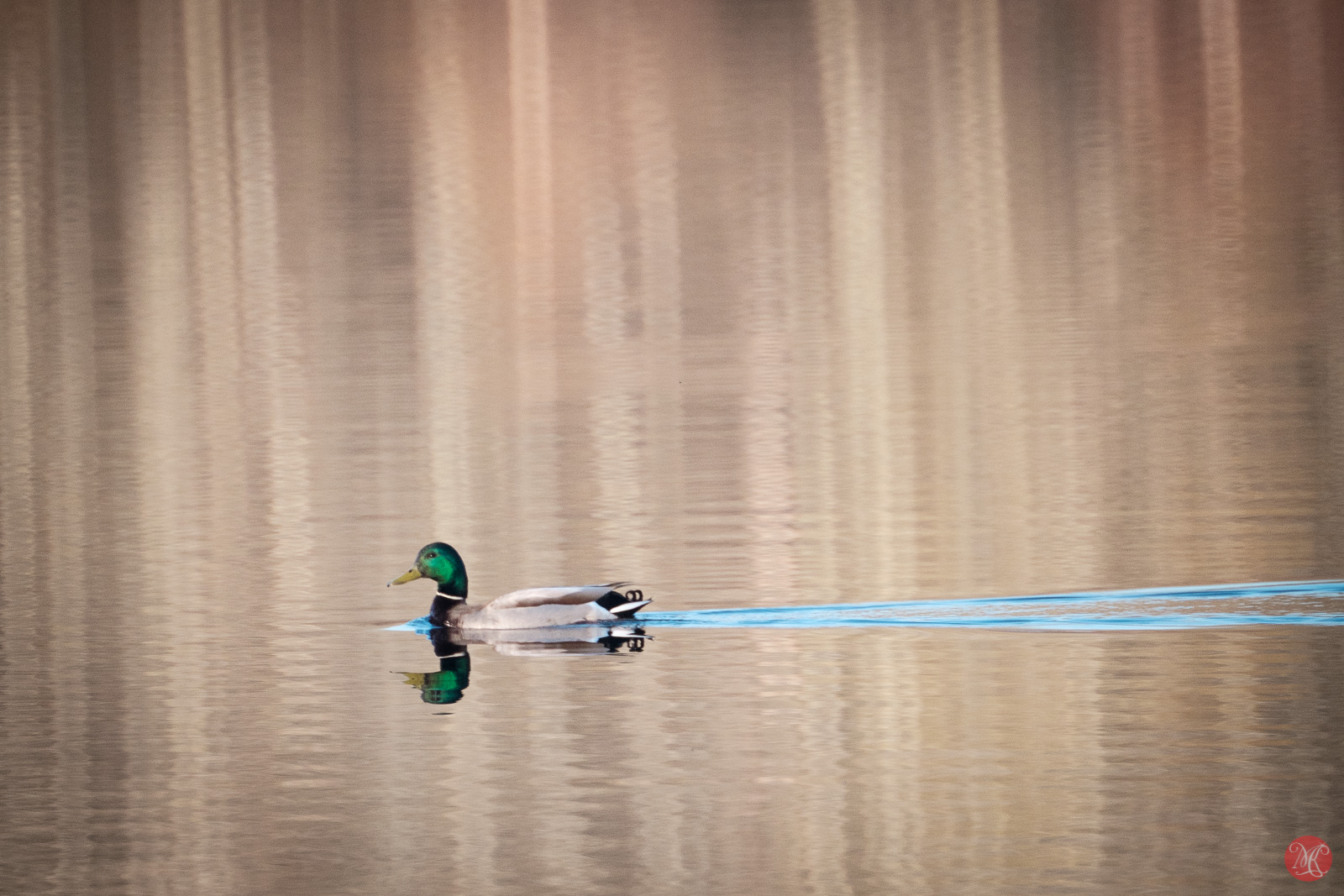
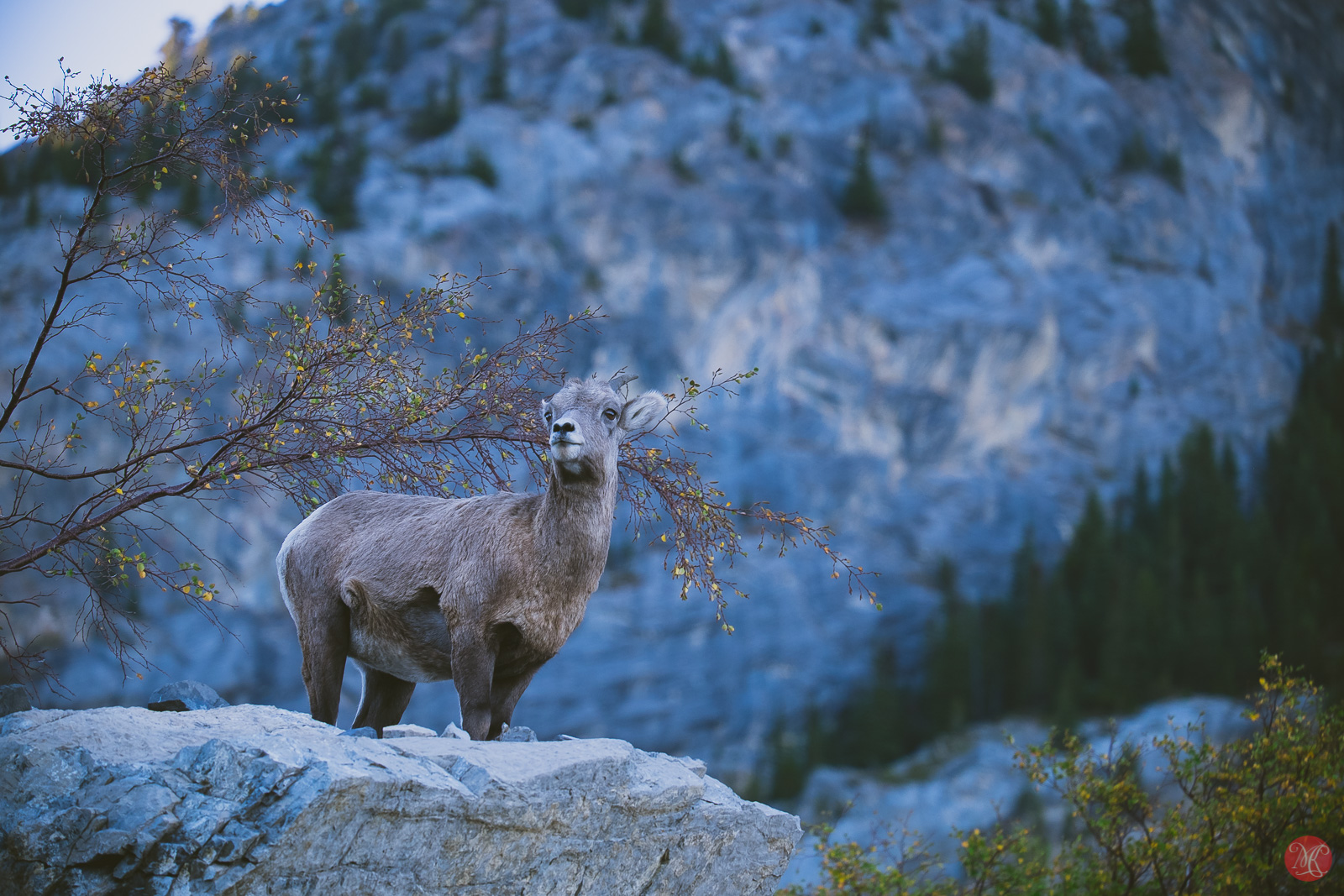
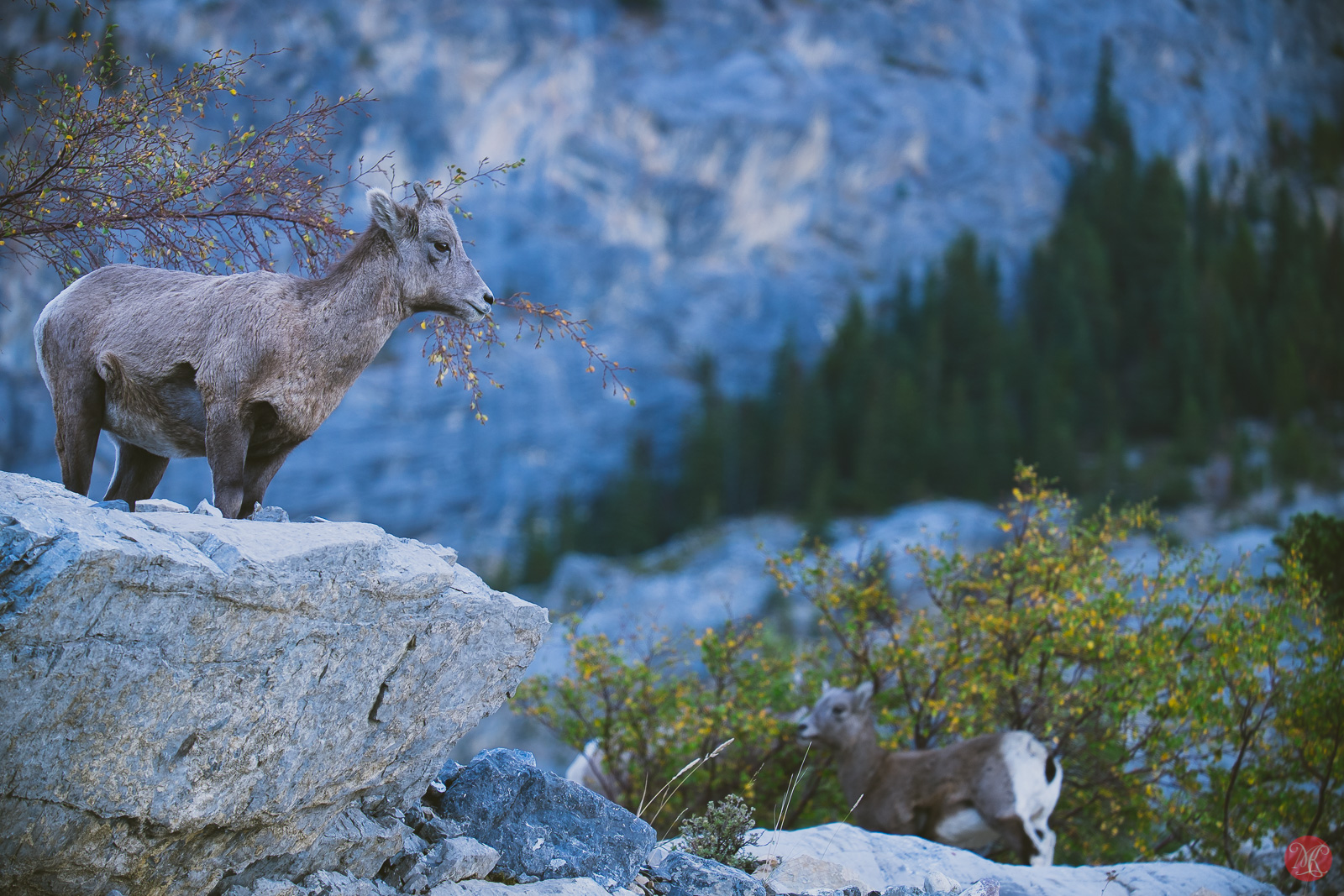
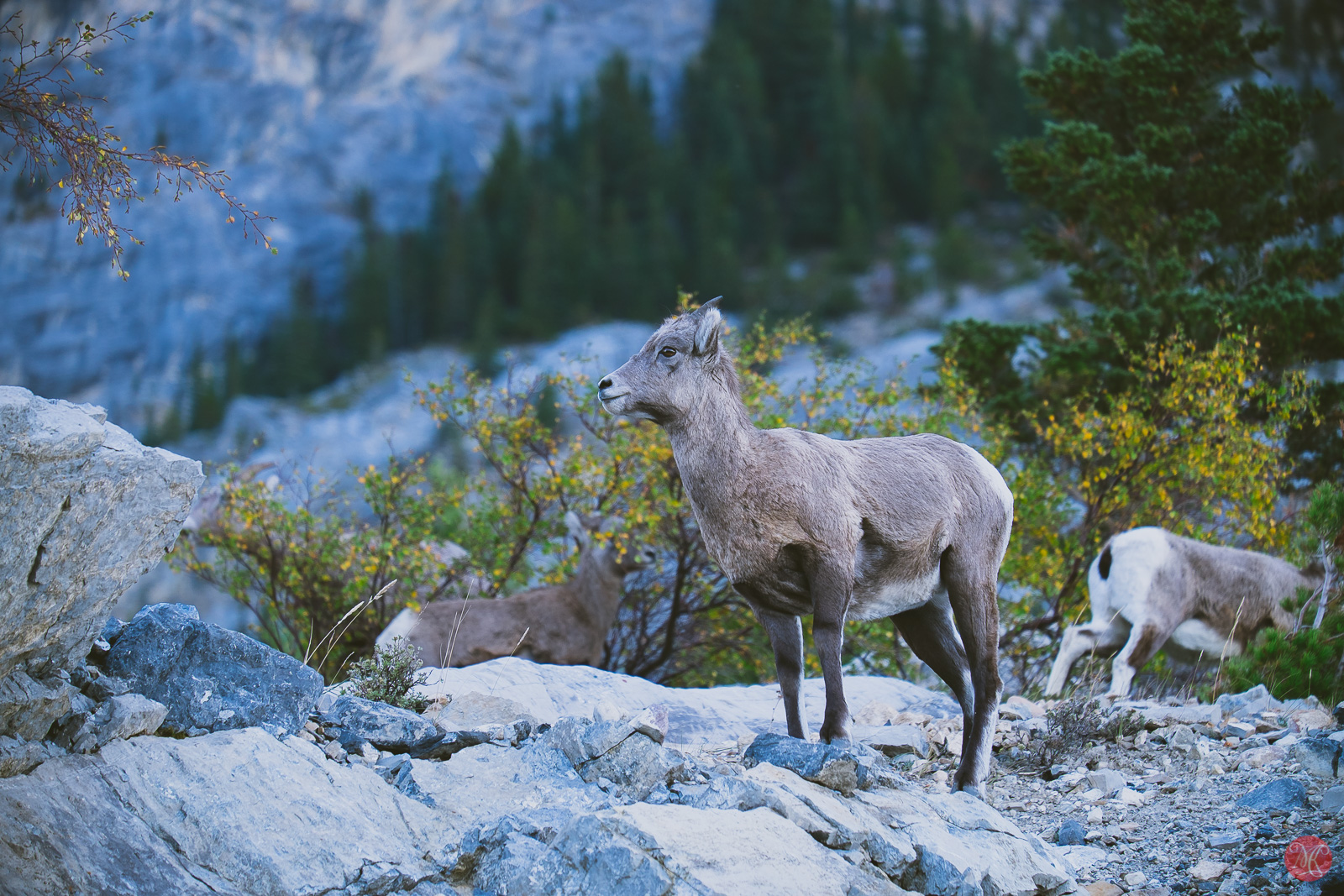
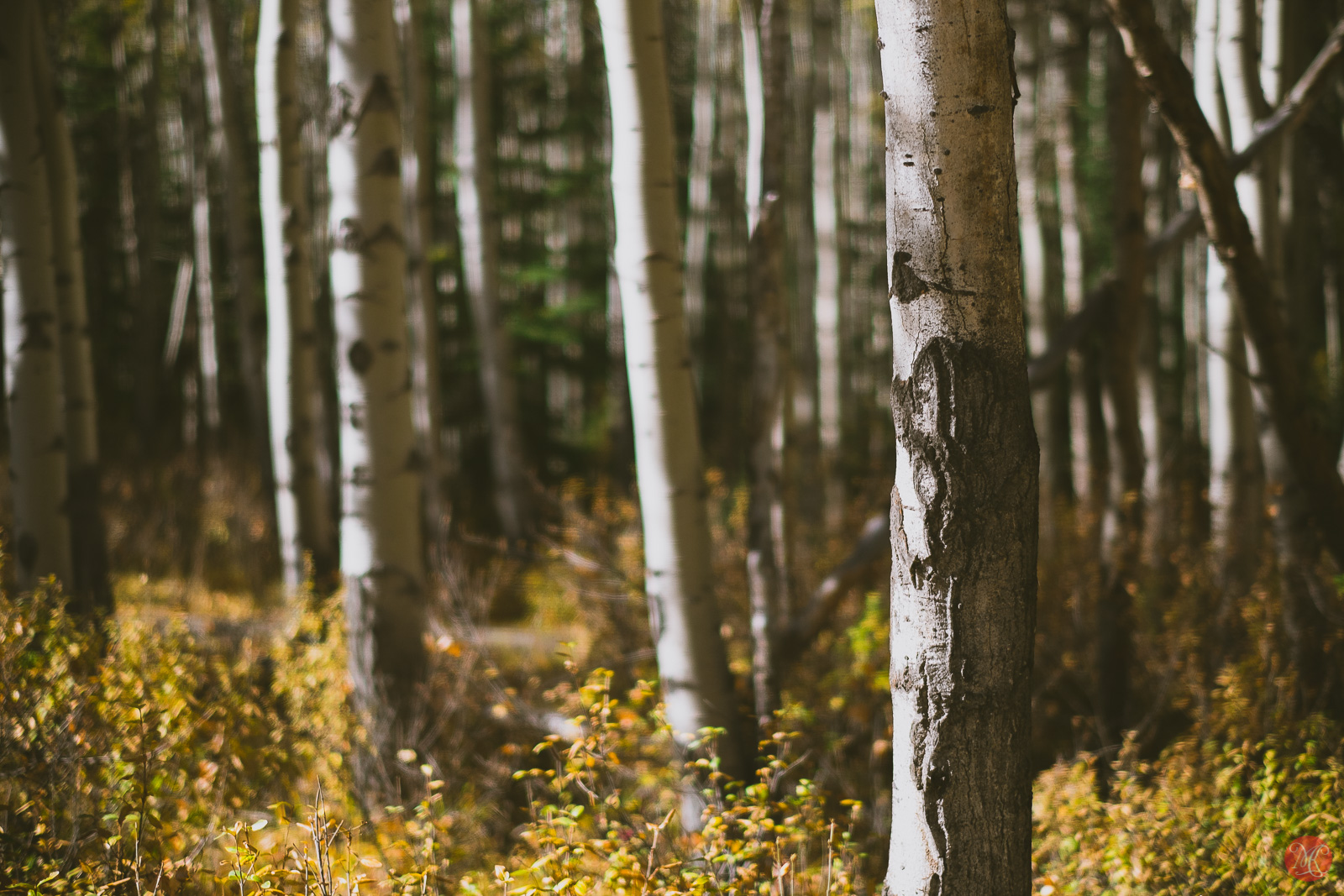
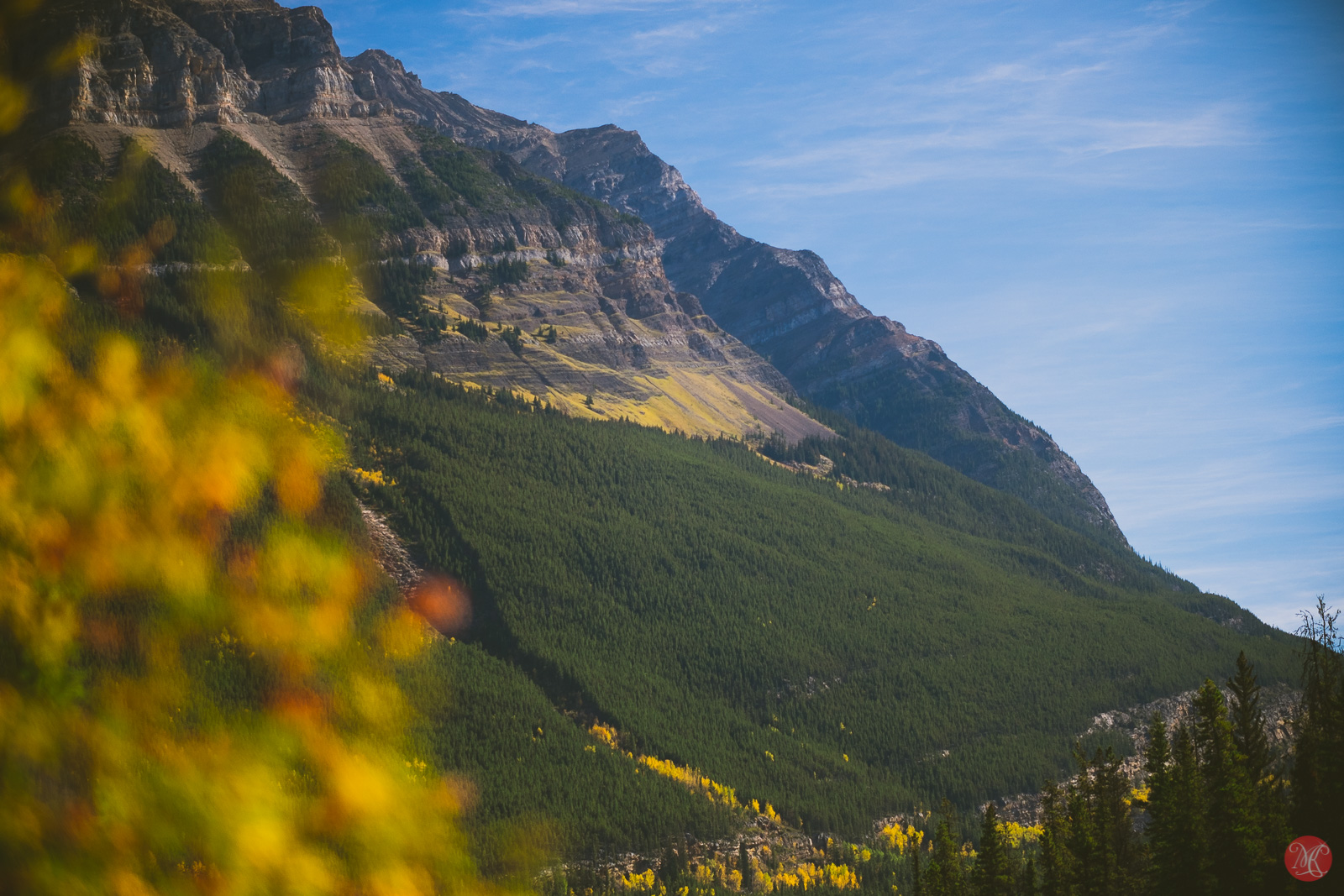
As you can see in the above image the highlights are a little different than we are used to.  Some like it, some don’t.  To me it looks different and interesting. 

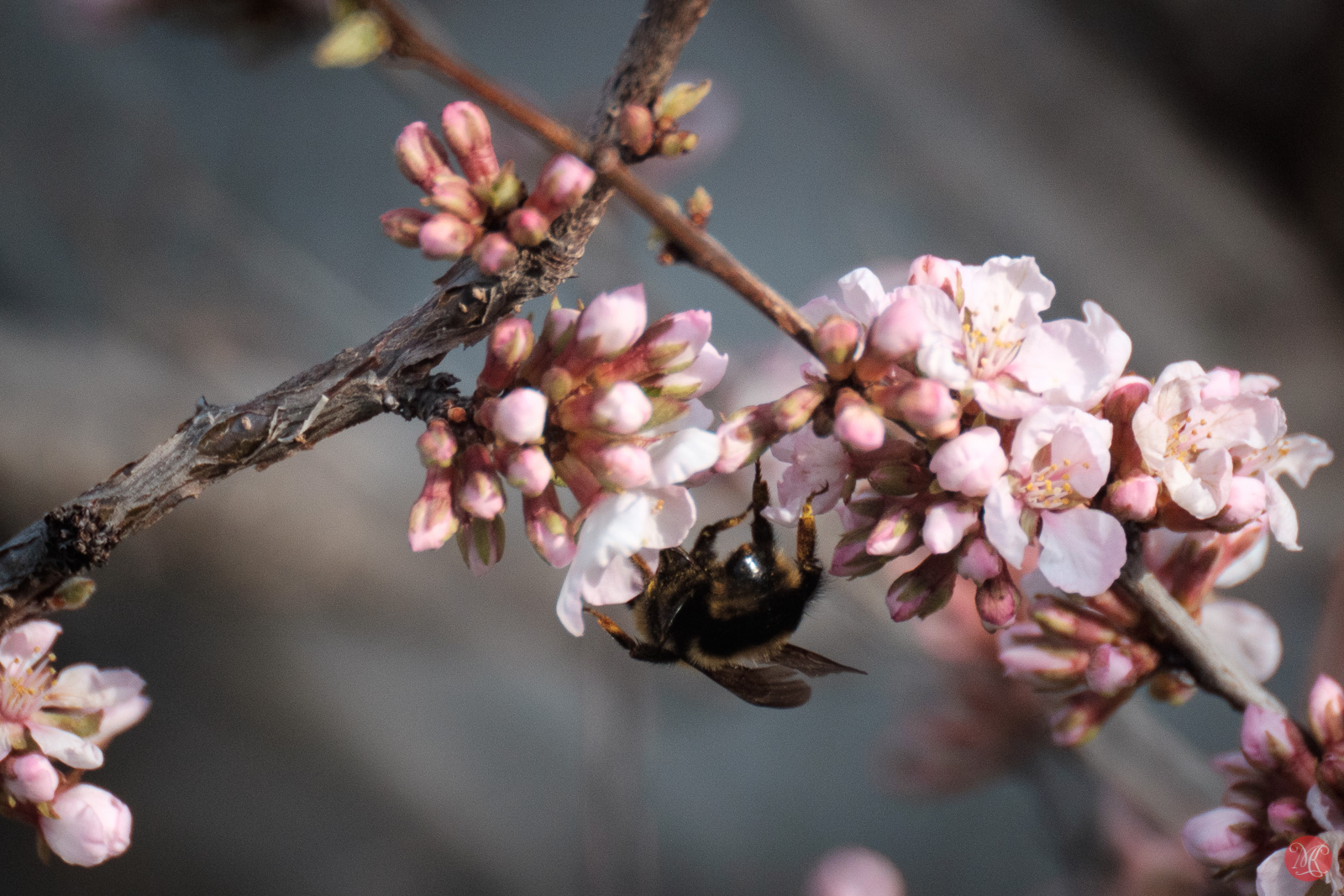
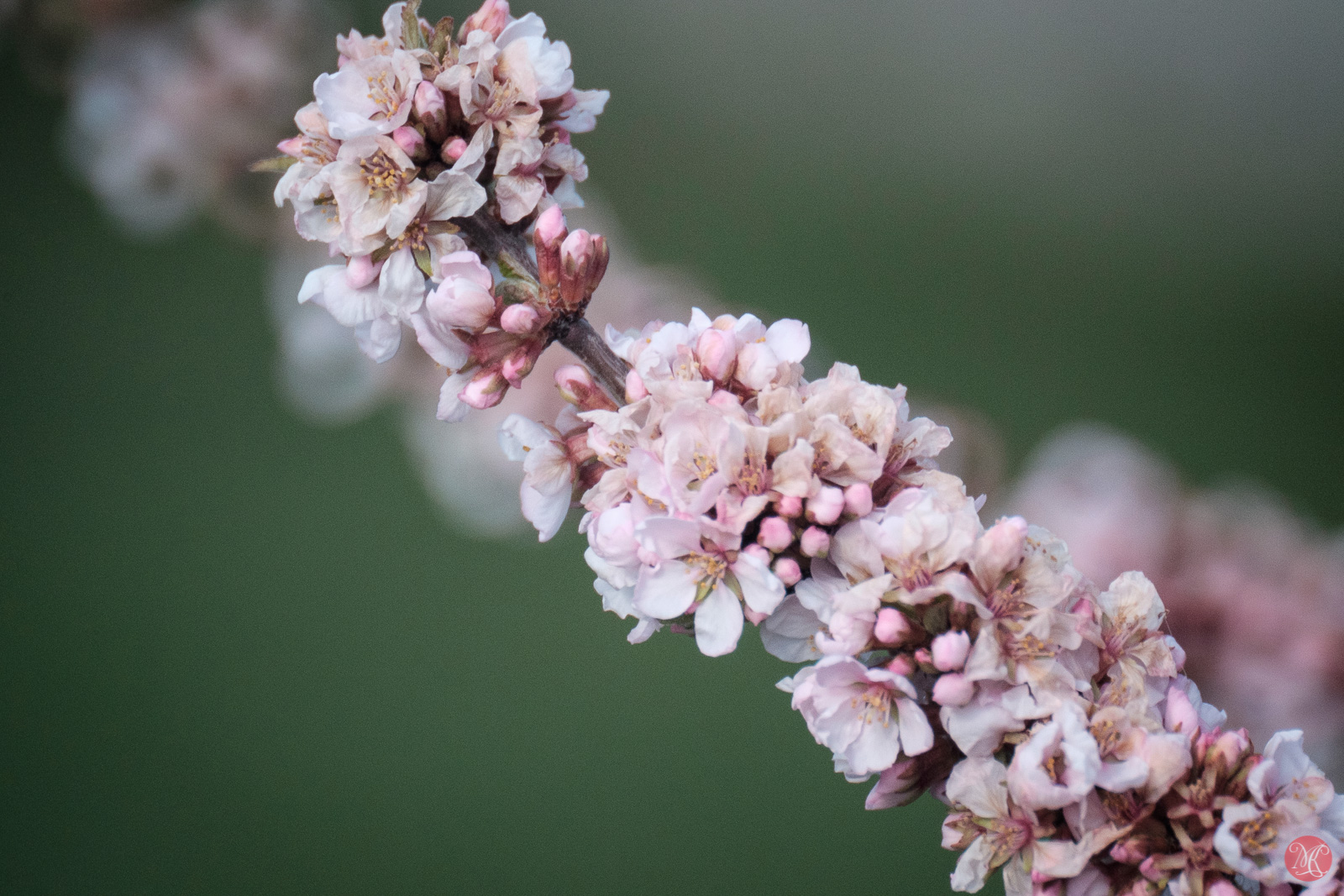
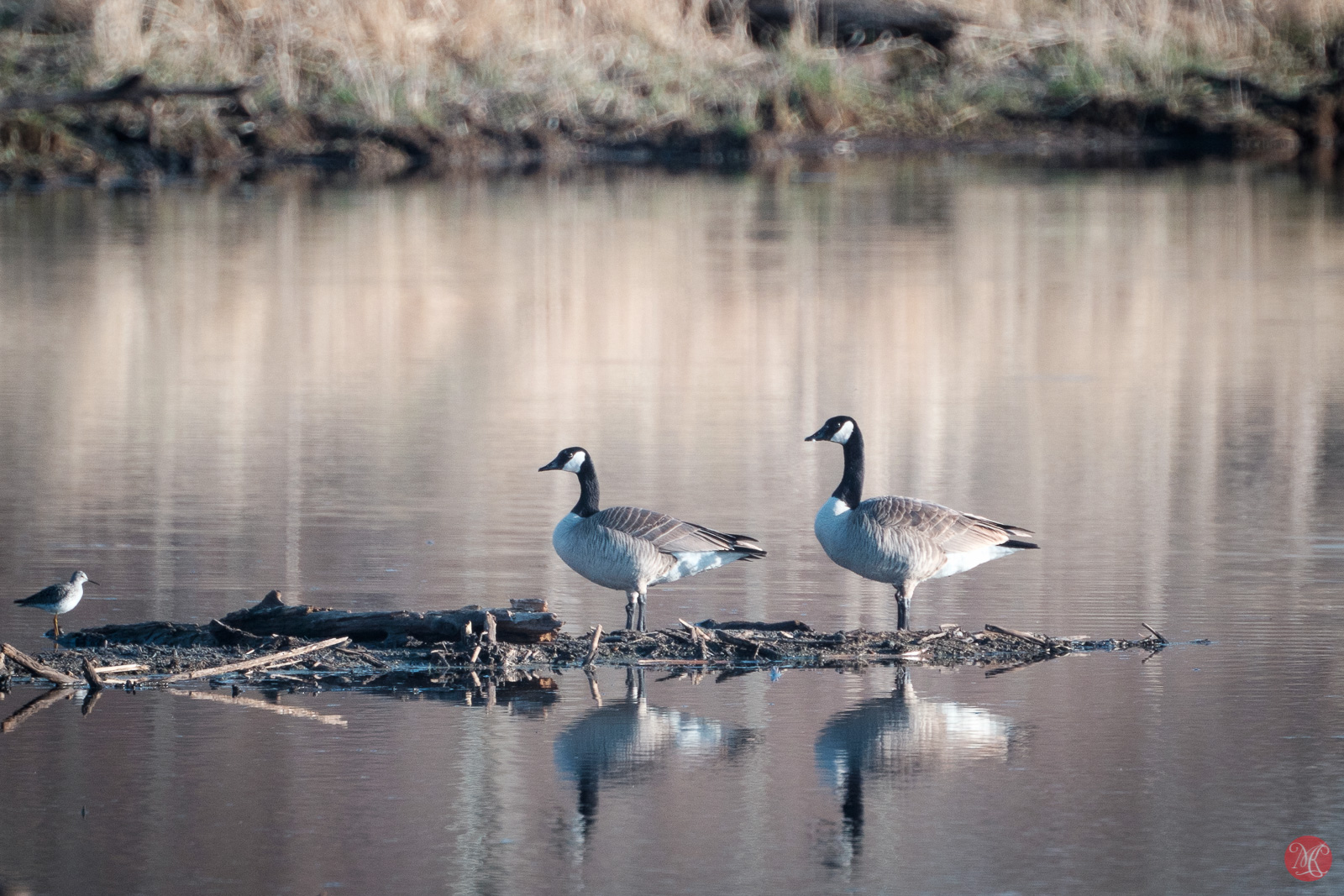
Overall, it is an interesting lens to use.  It’s challenging and I found it fun to use.  It’s easy to hold, and even though it is a mirror, it fits the mirror-less camera world quite well.  Here are some images I took with it.
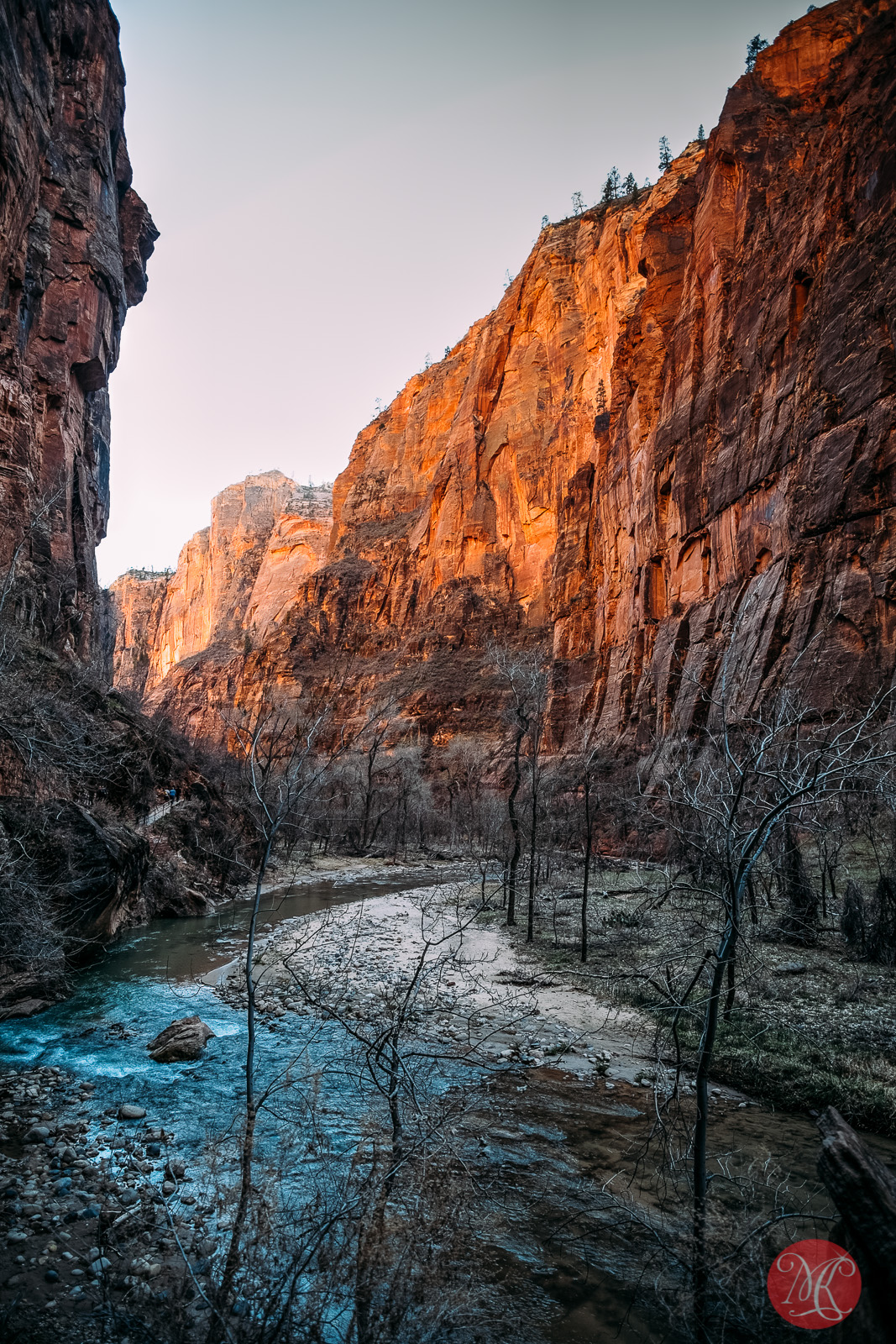
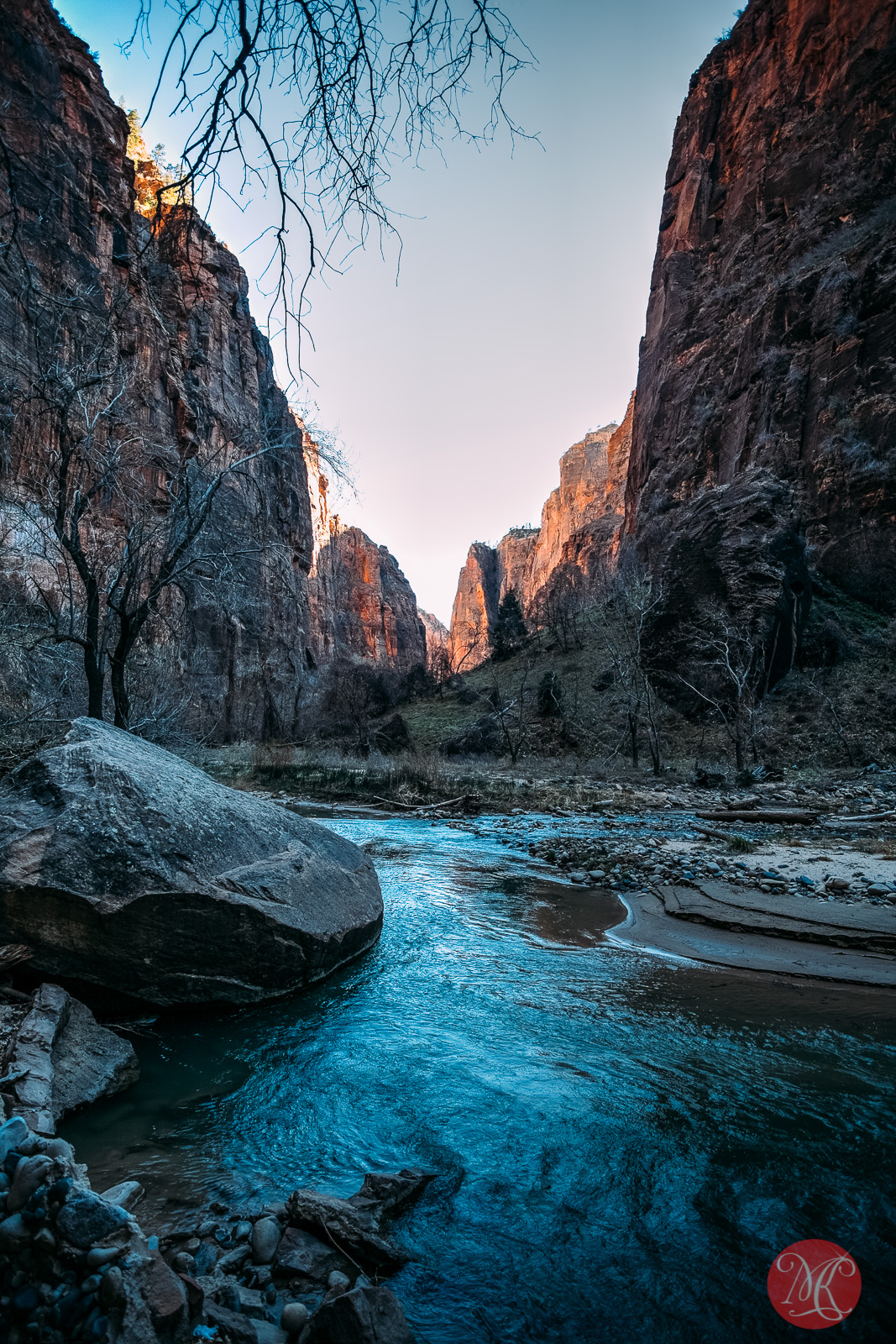
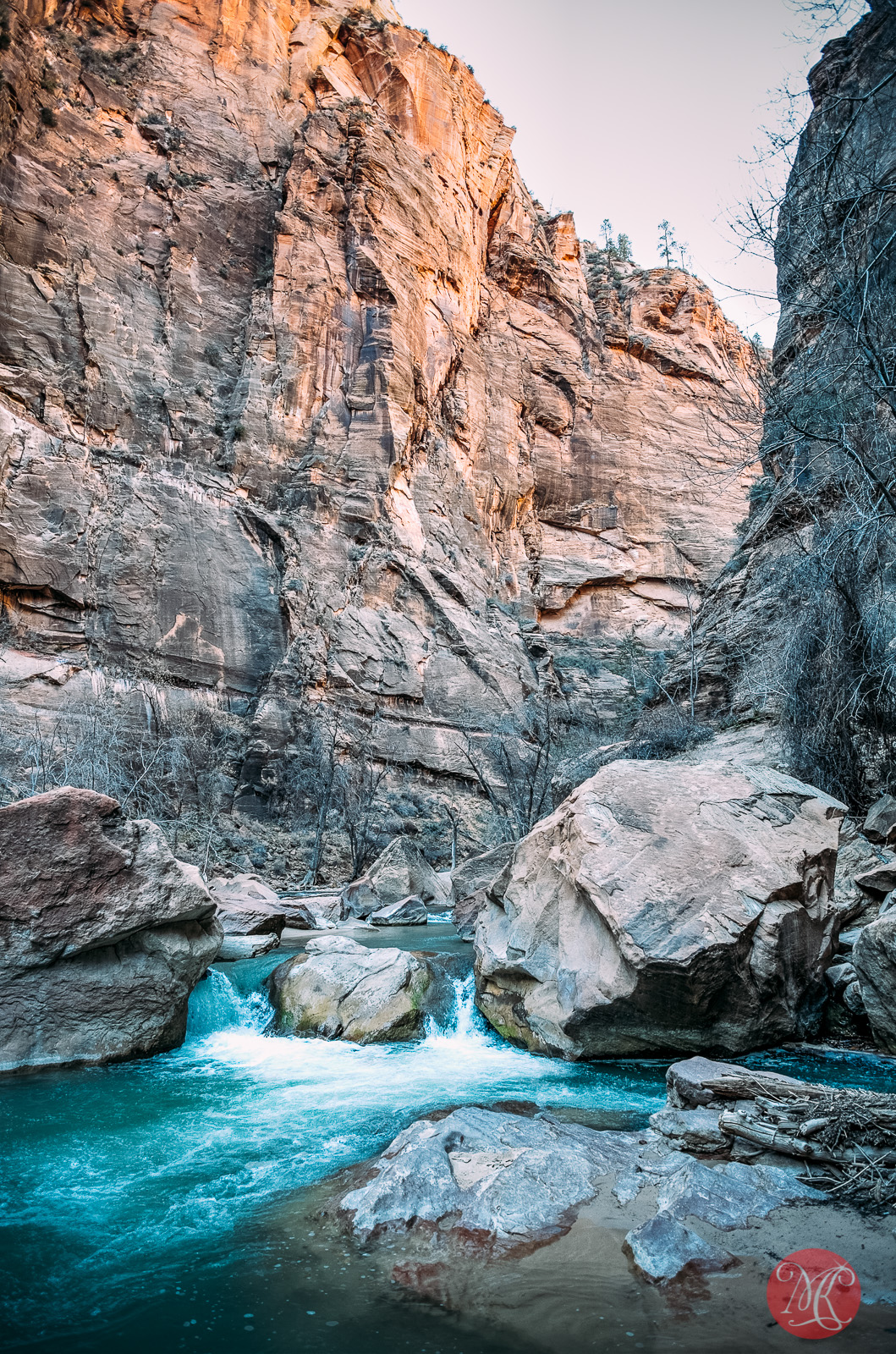
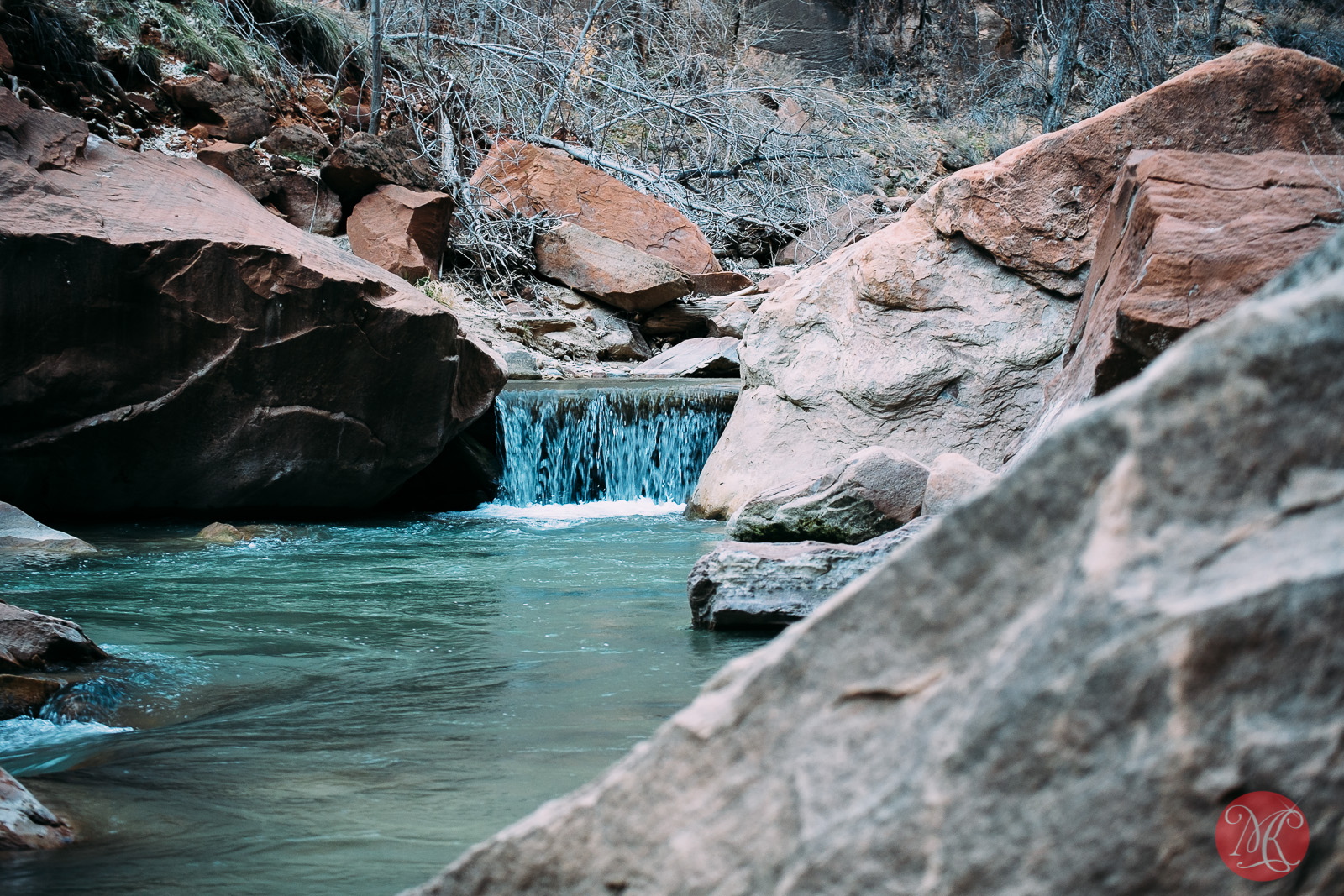
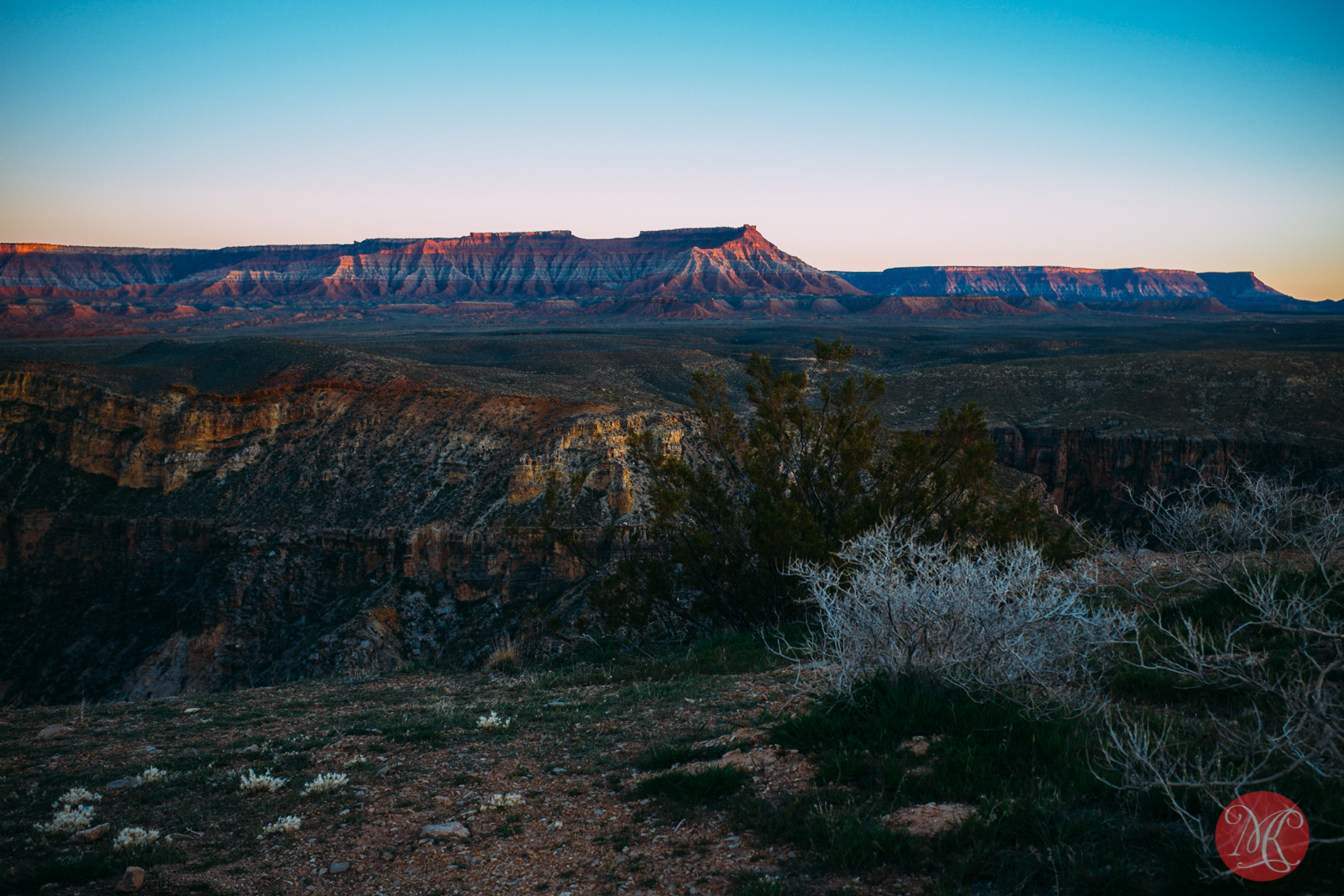
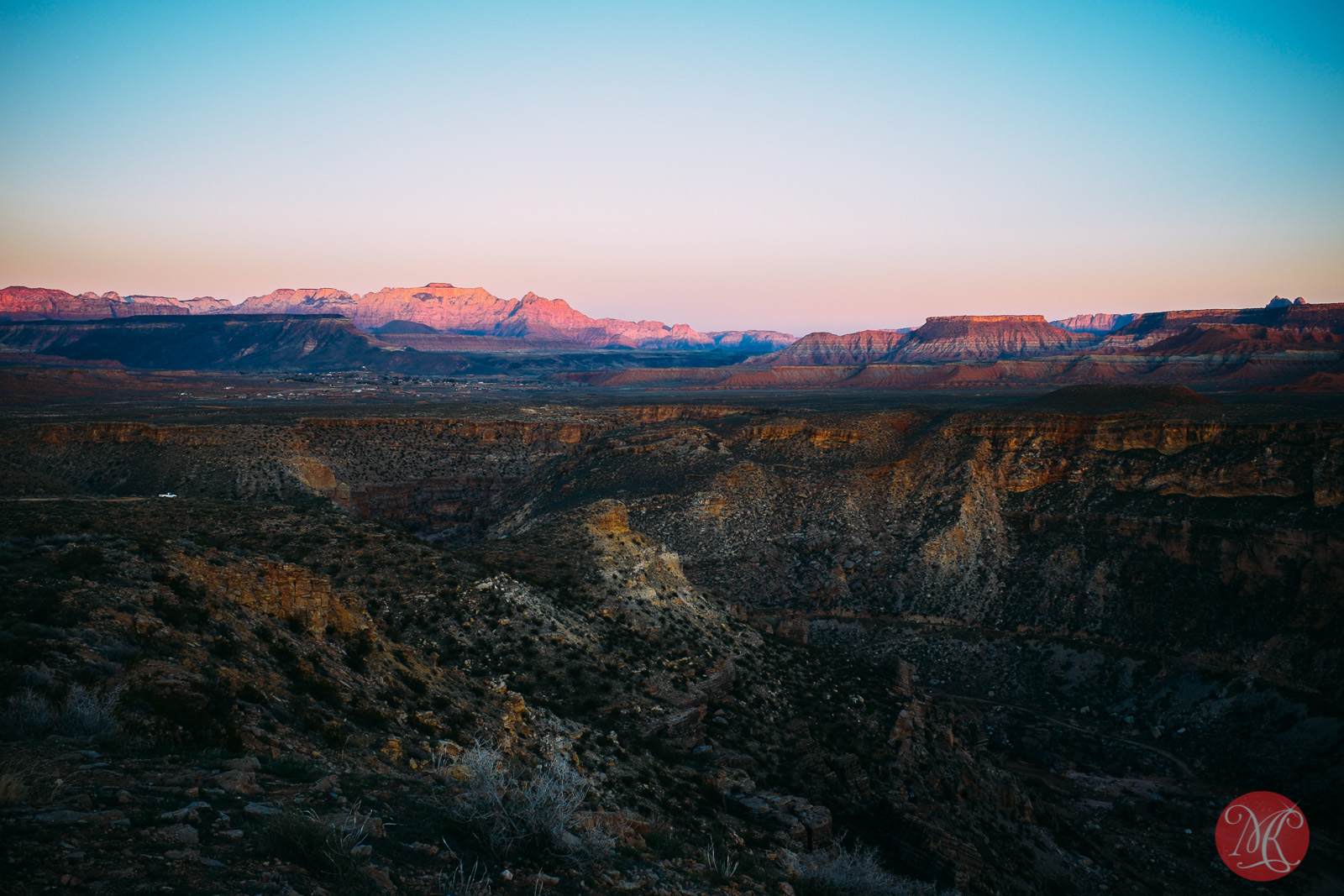
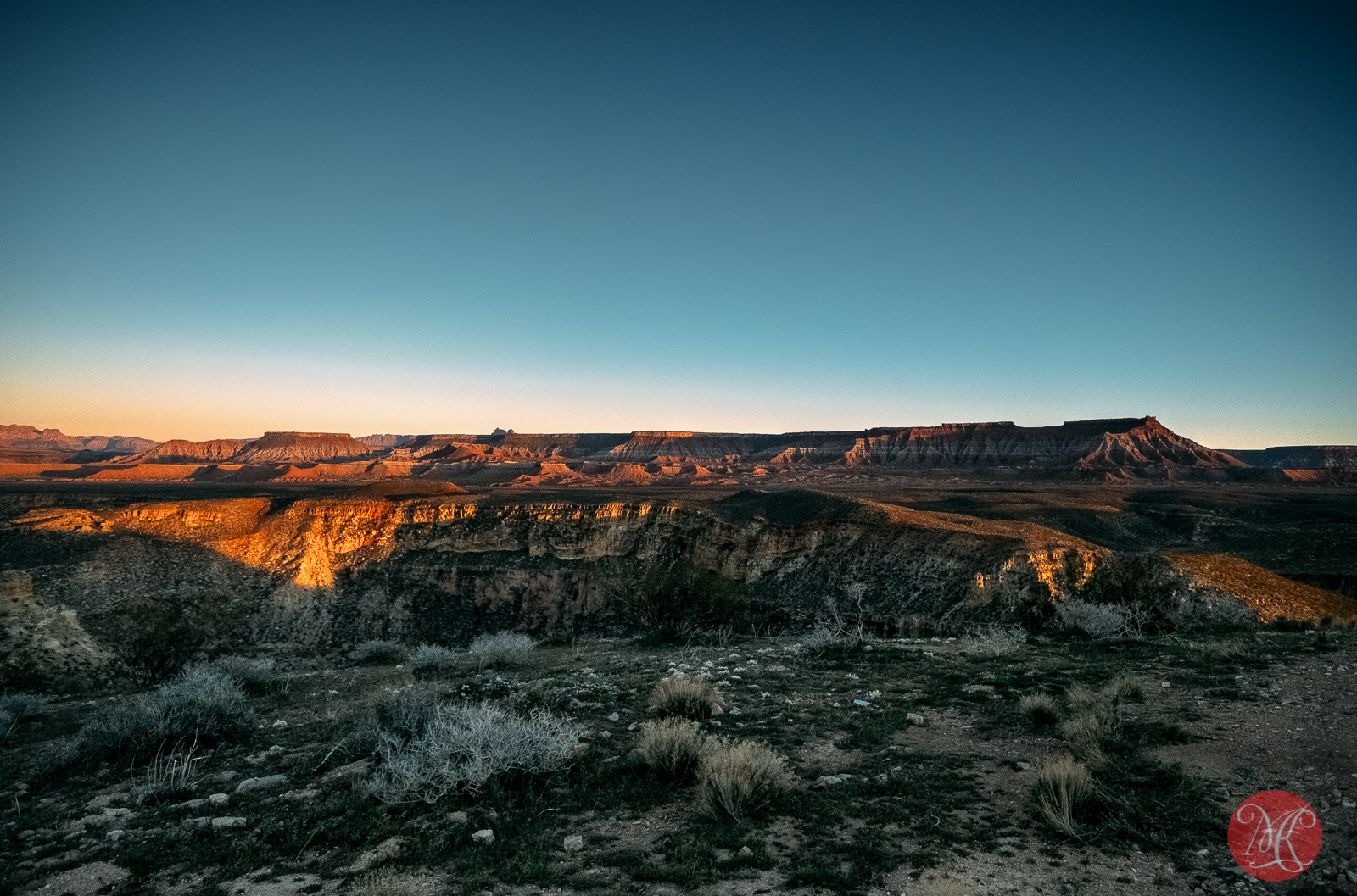
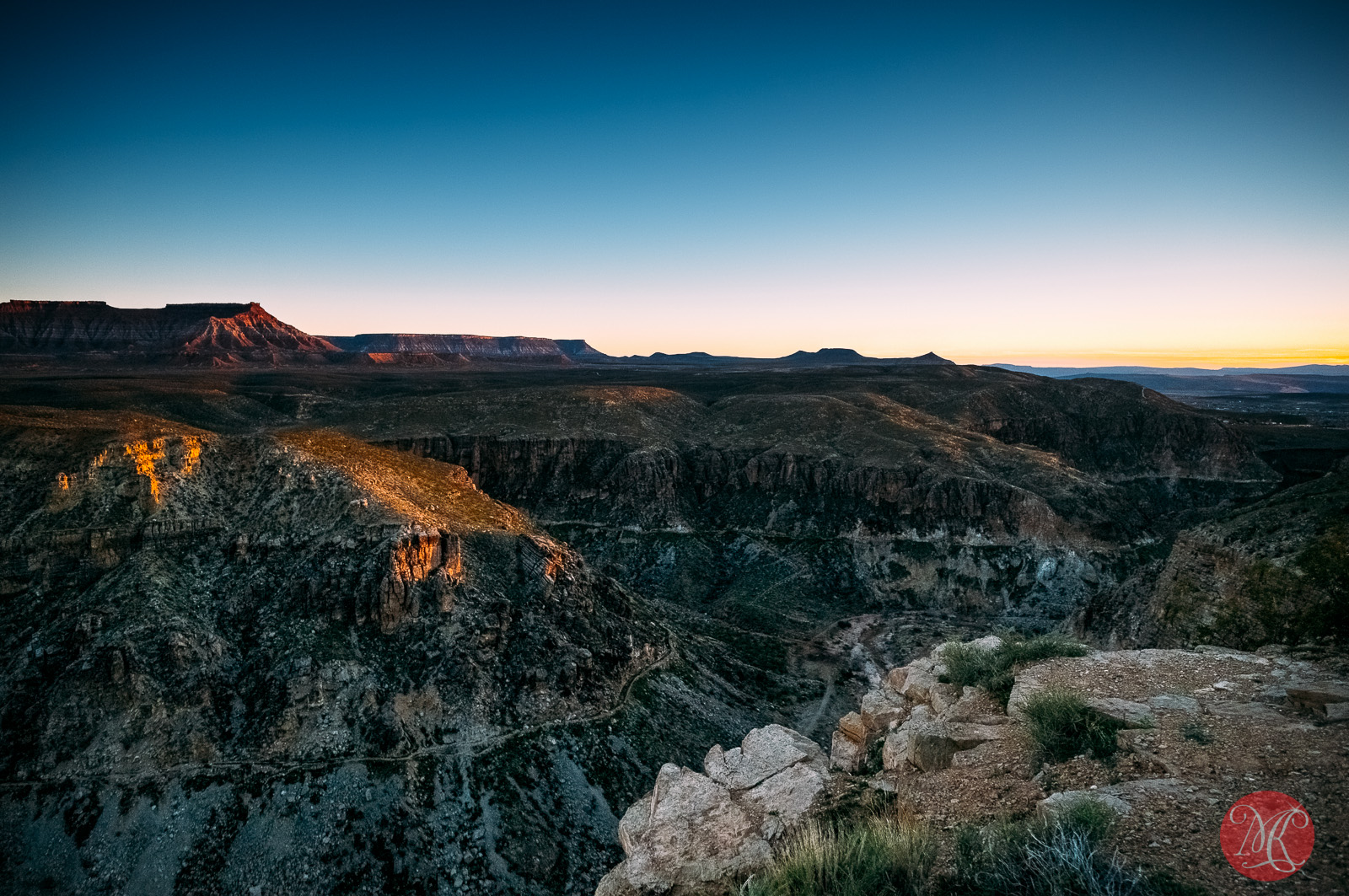
Zion – Landscape Photography

Zion – Landscape Photography

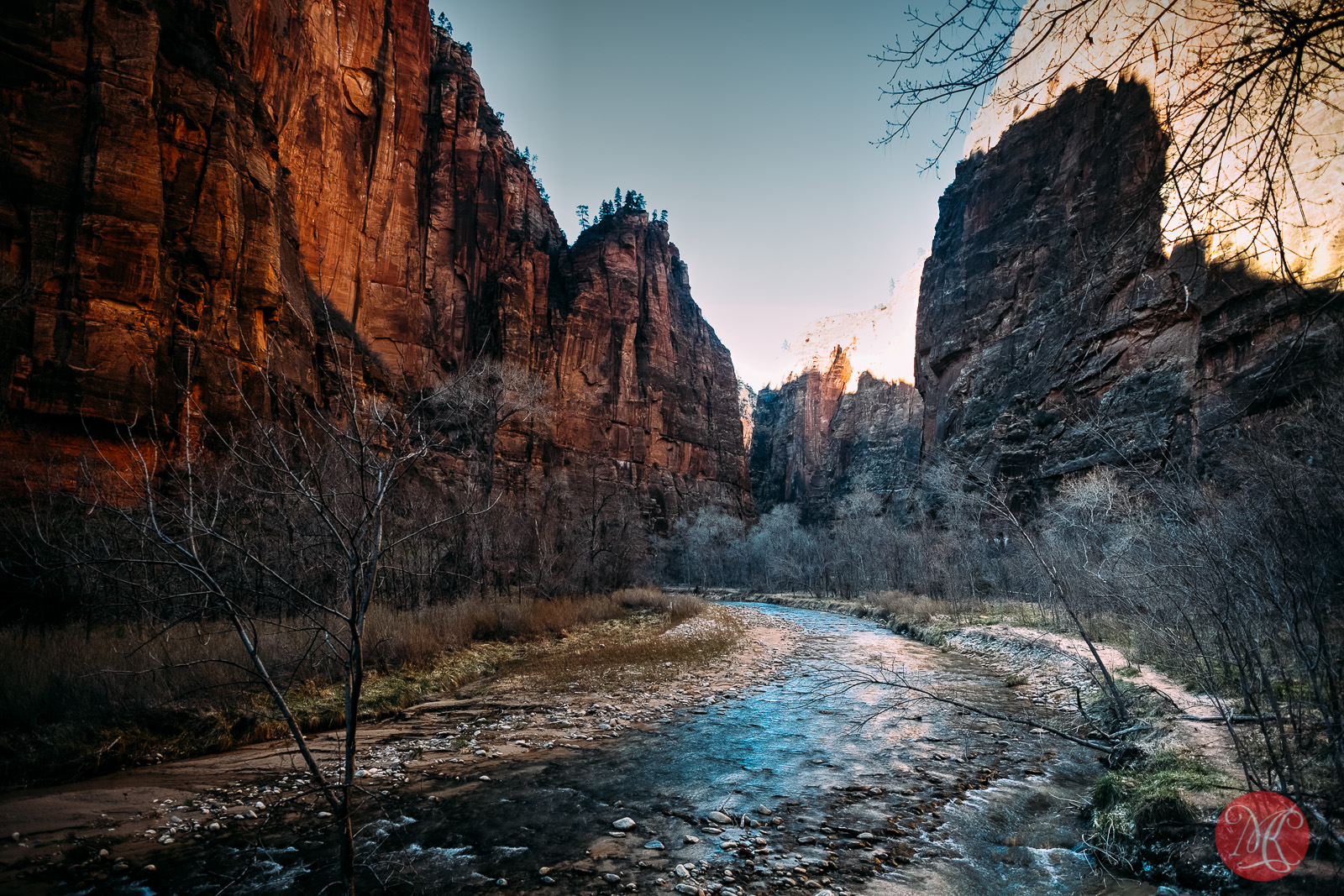
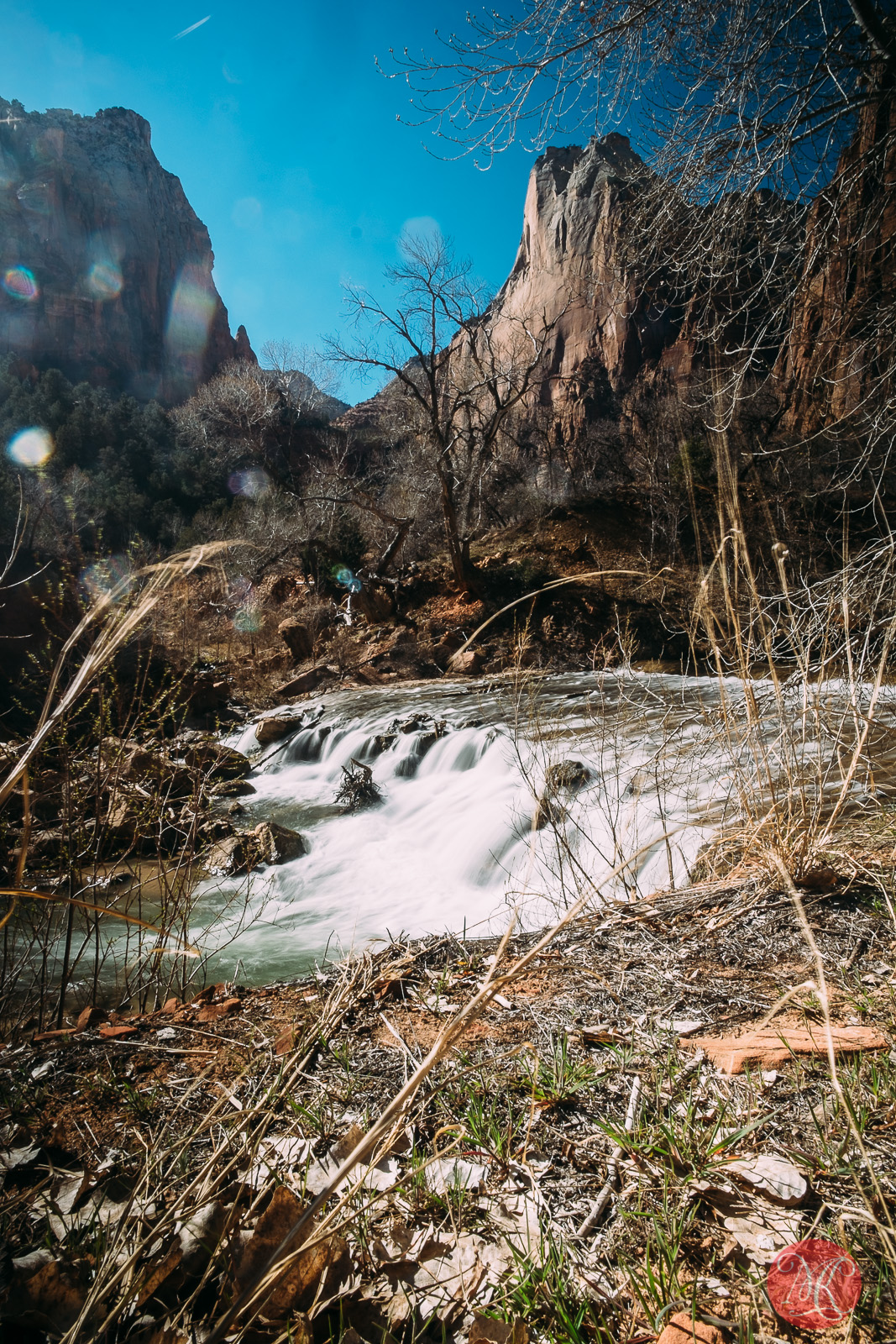
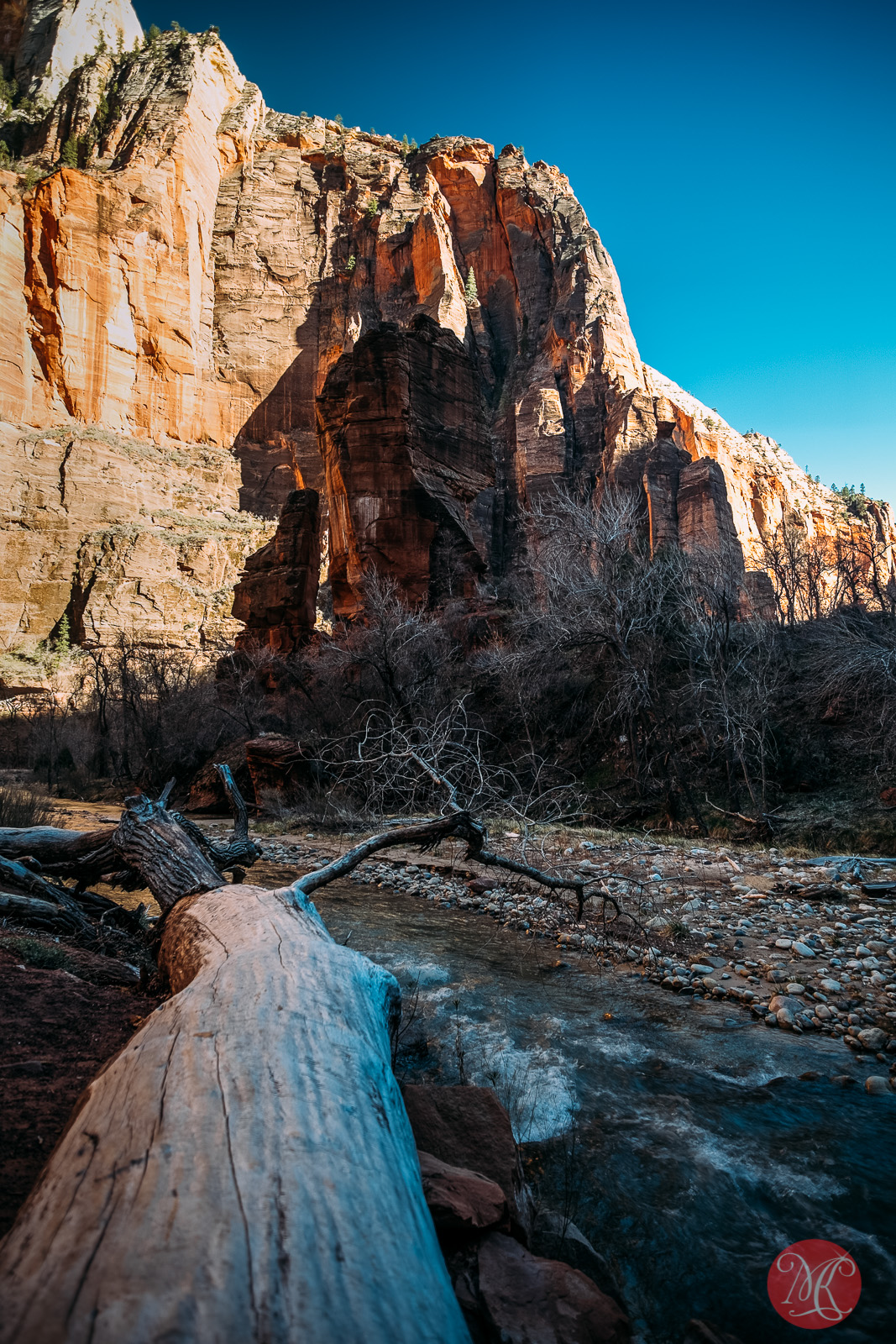
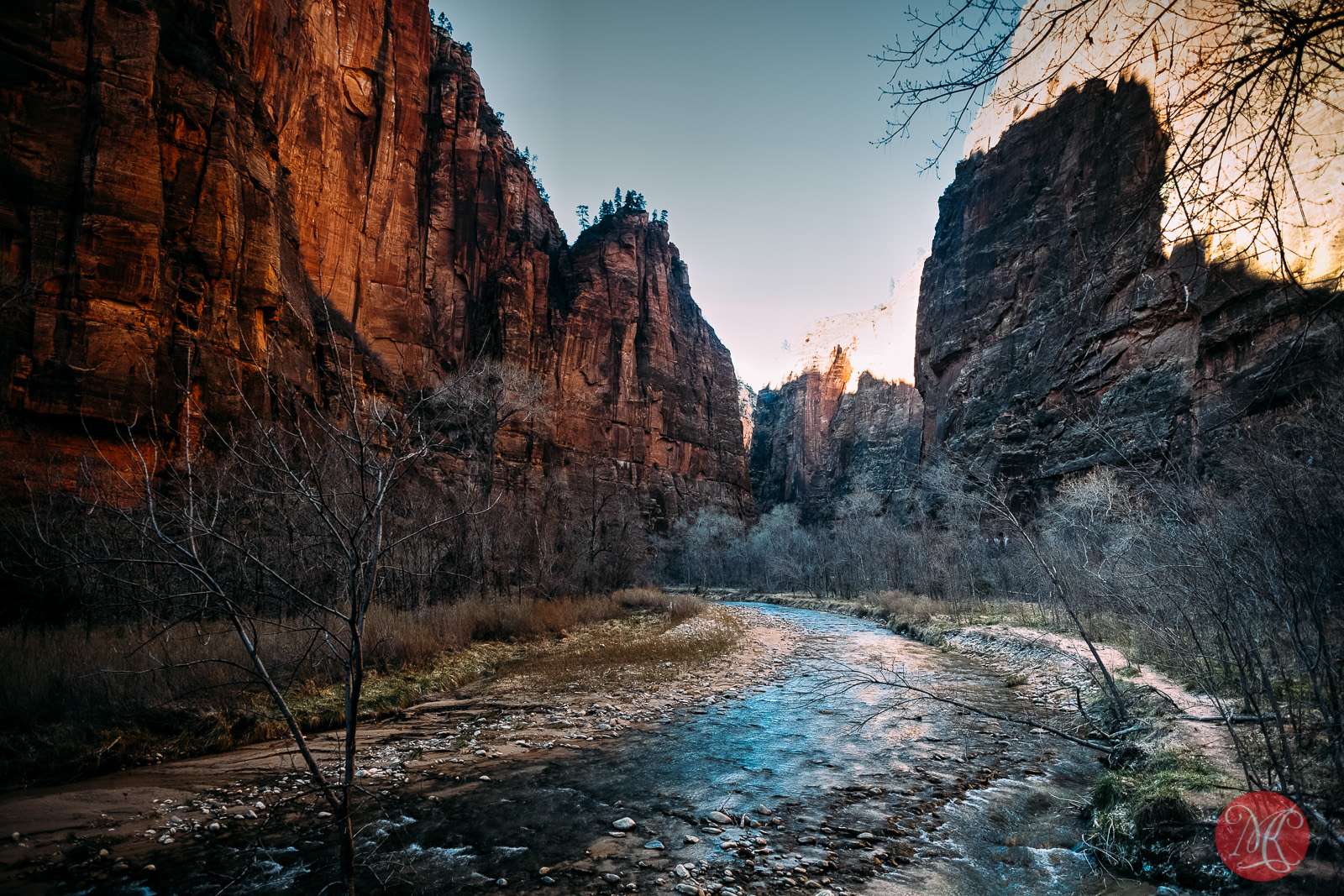
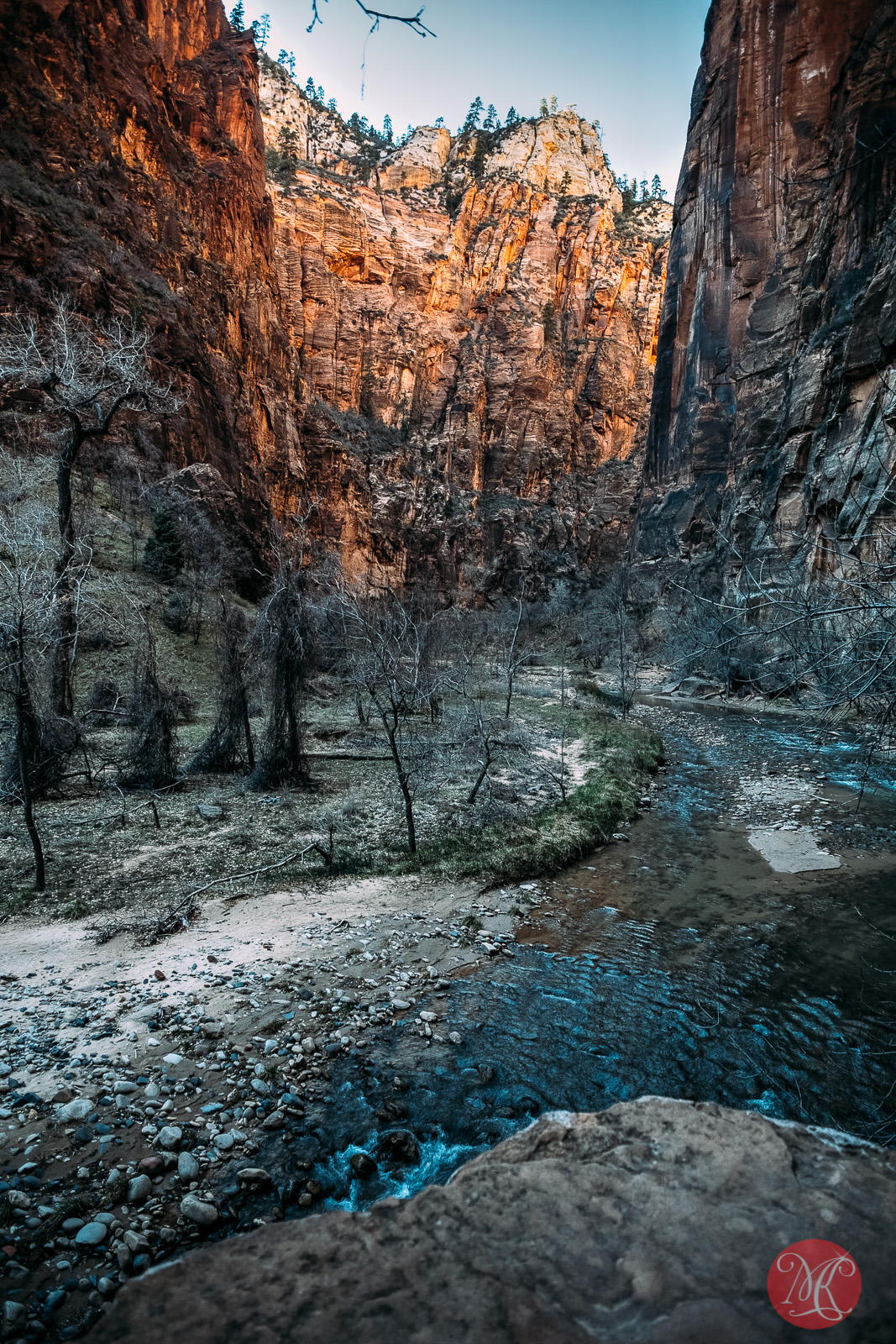
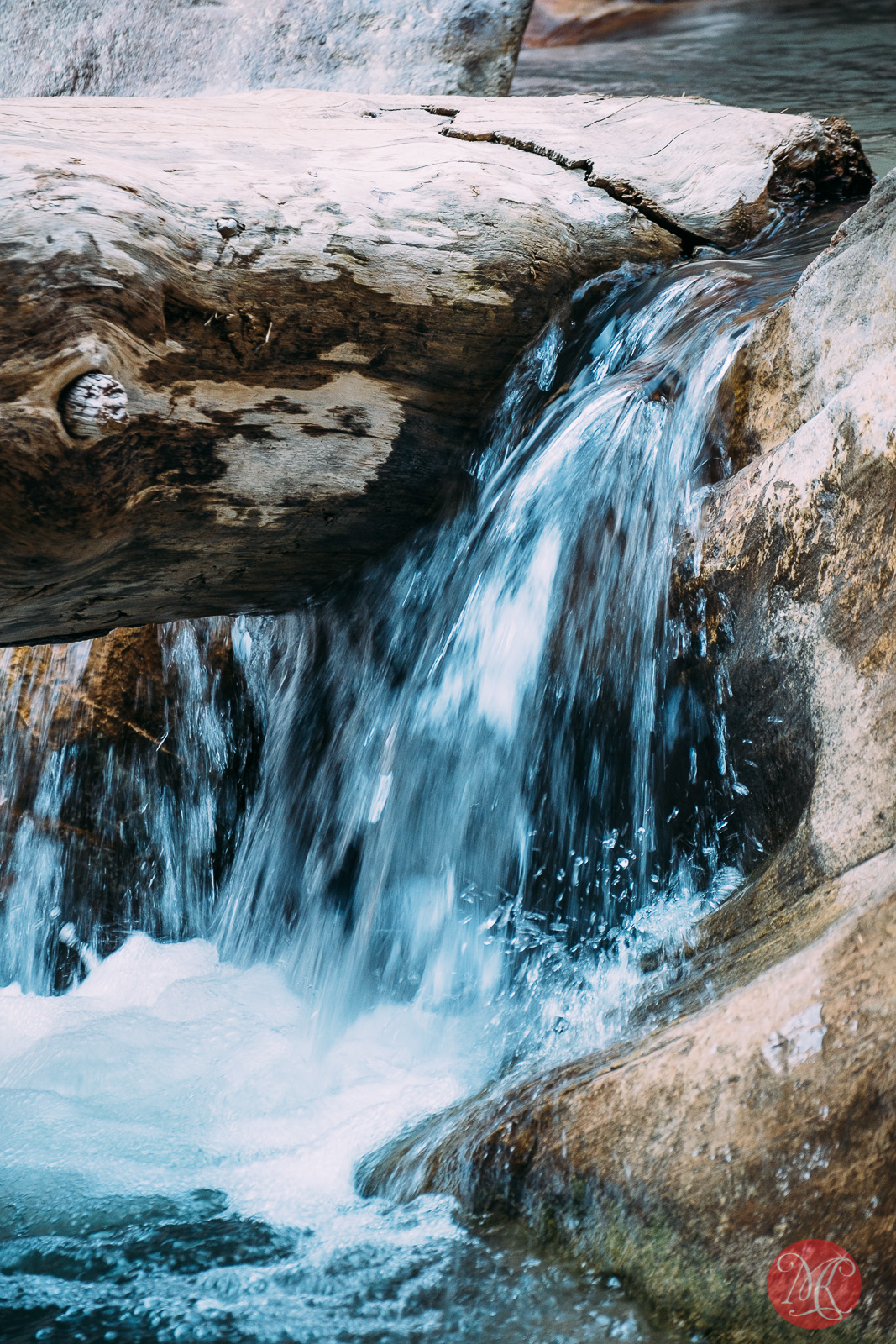
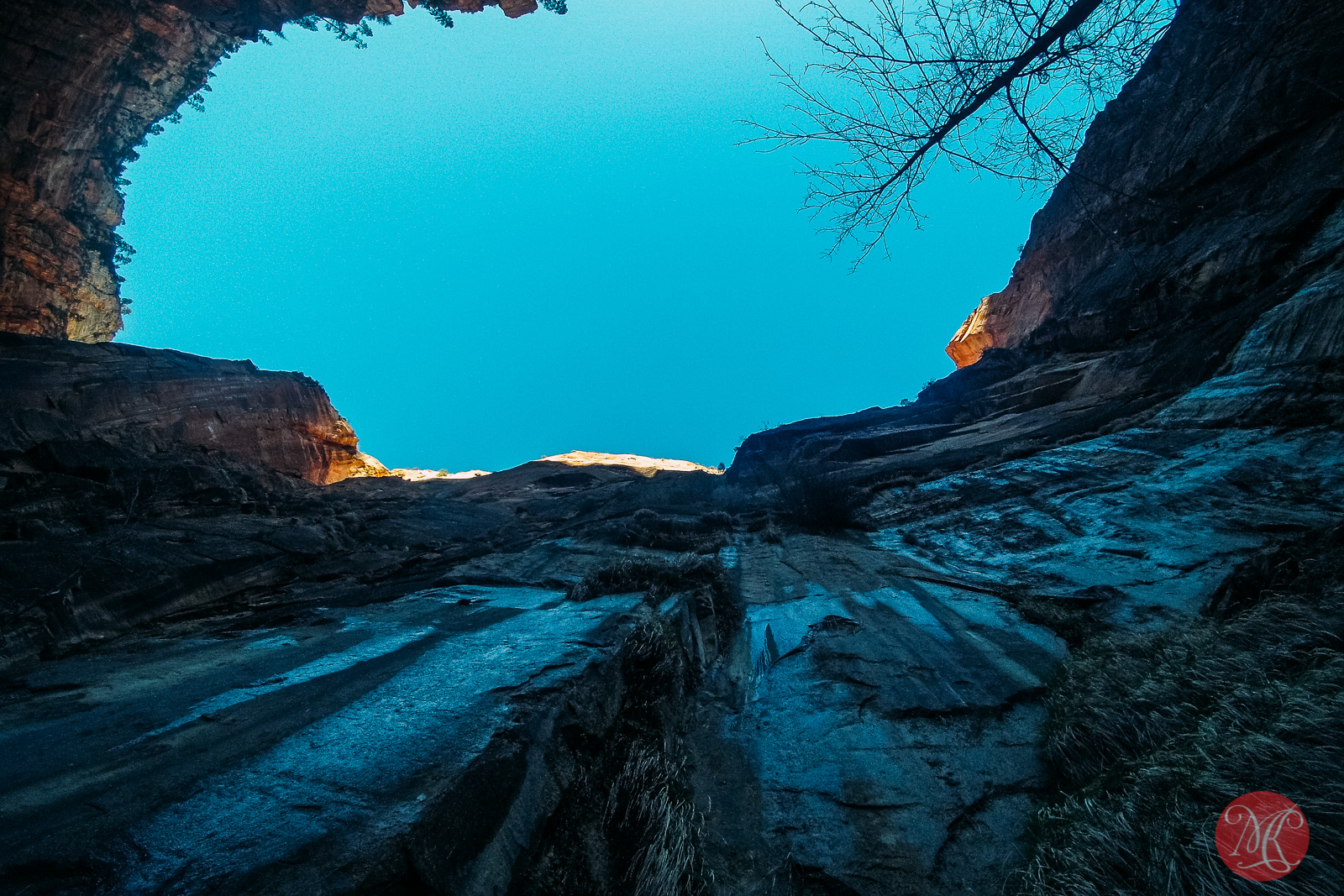
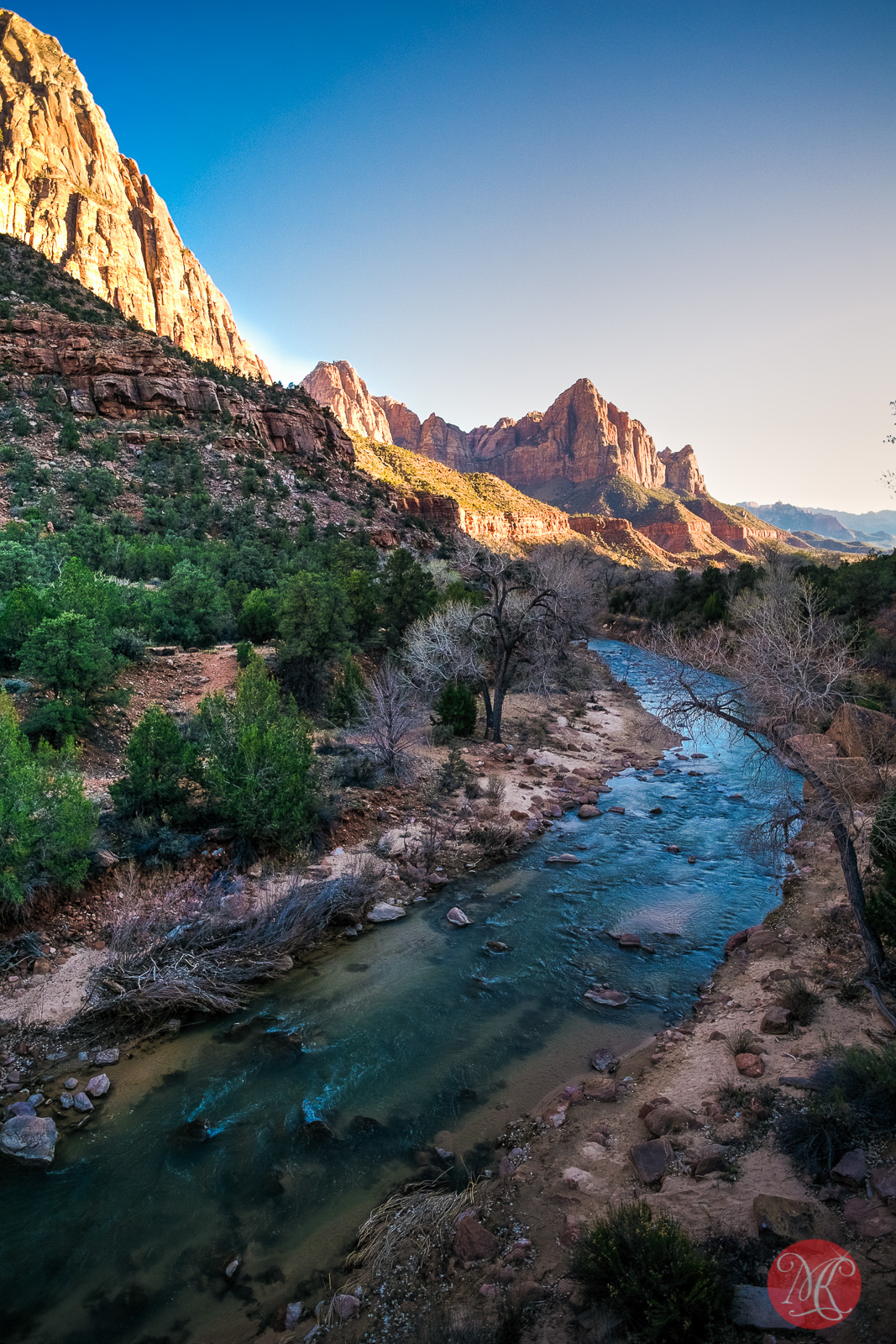
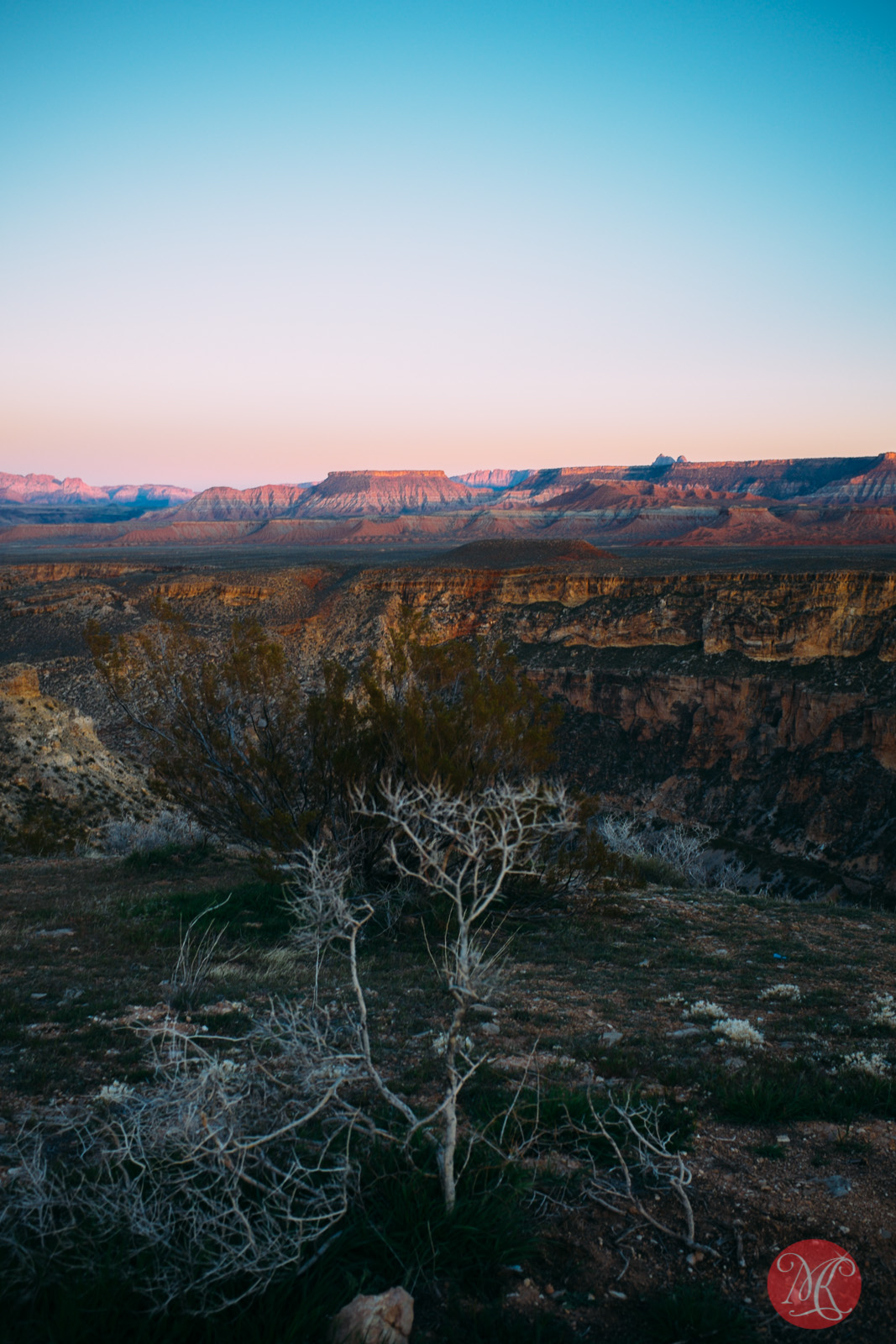
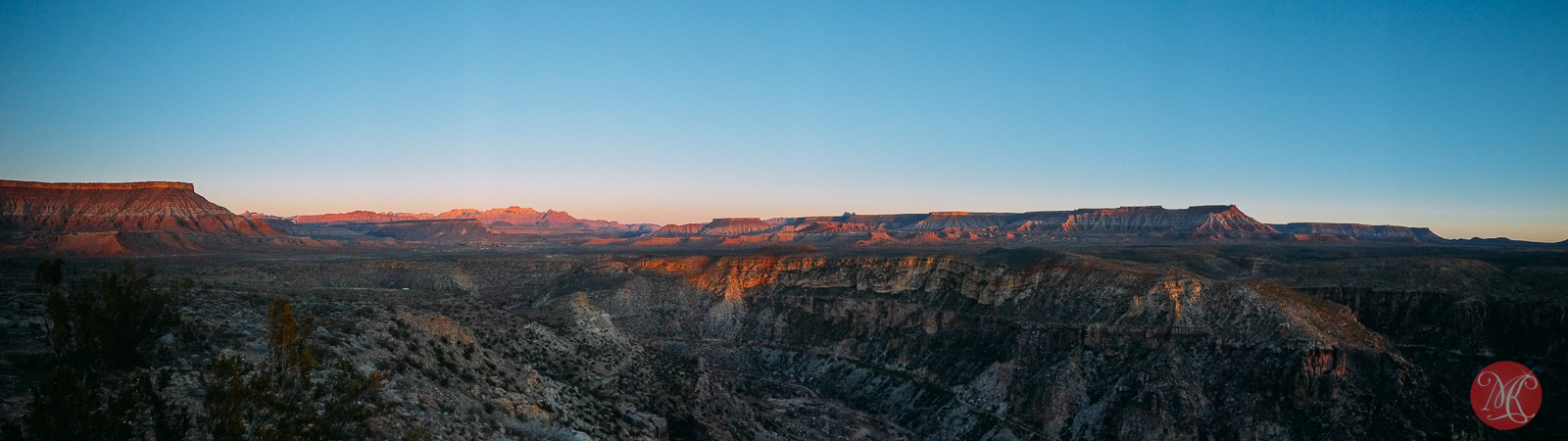
This little day trip, happened over a year ago, and the photos where sitting on my hard drive collecting digital dust.  There are many others, that might see the light of day, or may not.  Procrastination and the fact that I wasn’t overly happy with the images played into the fact why I waited so long.  Personally I do not like changing my landscape photos, apart from small details and colors.  I never been a fan of replacing skies either.  First I find the task daunting, and second I like to leave some semblance of realism in my images.  If there are no clouds, then there are no clouds.  I have nothing against people who do that, nothing at all… I’m just lazy and frankly couldn’t be bothered. 

Being an opportunistic photographer, I don’t have the luxury of time, and spending a few days at a location, waiting for mother nature to smile.  I take what I’m given 🙂  Some say, that I’m wasting my time and pixels, but I disagree.  Sometimes this works, and sometimes this doesn’t.  My trip to Zion national park was an example where it didn’t.  First it was in the wrong time.  Time where there is no snow, yet the spring hasn’t “sprung” yet. Second, the sky was completely empty of clouds…. perfect blue and not really interesting.  Thirdly it was a day trip from Las Vegas, so not a lot of time.  The moral of the story is, what ever the opportunities present themselves make sure you take full advantage of them, and do your best.  I don’t know when I will have a chance to return to this beautiful park, again.  It was a chance and I took it.  Damn the pictures 🙂

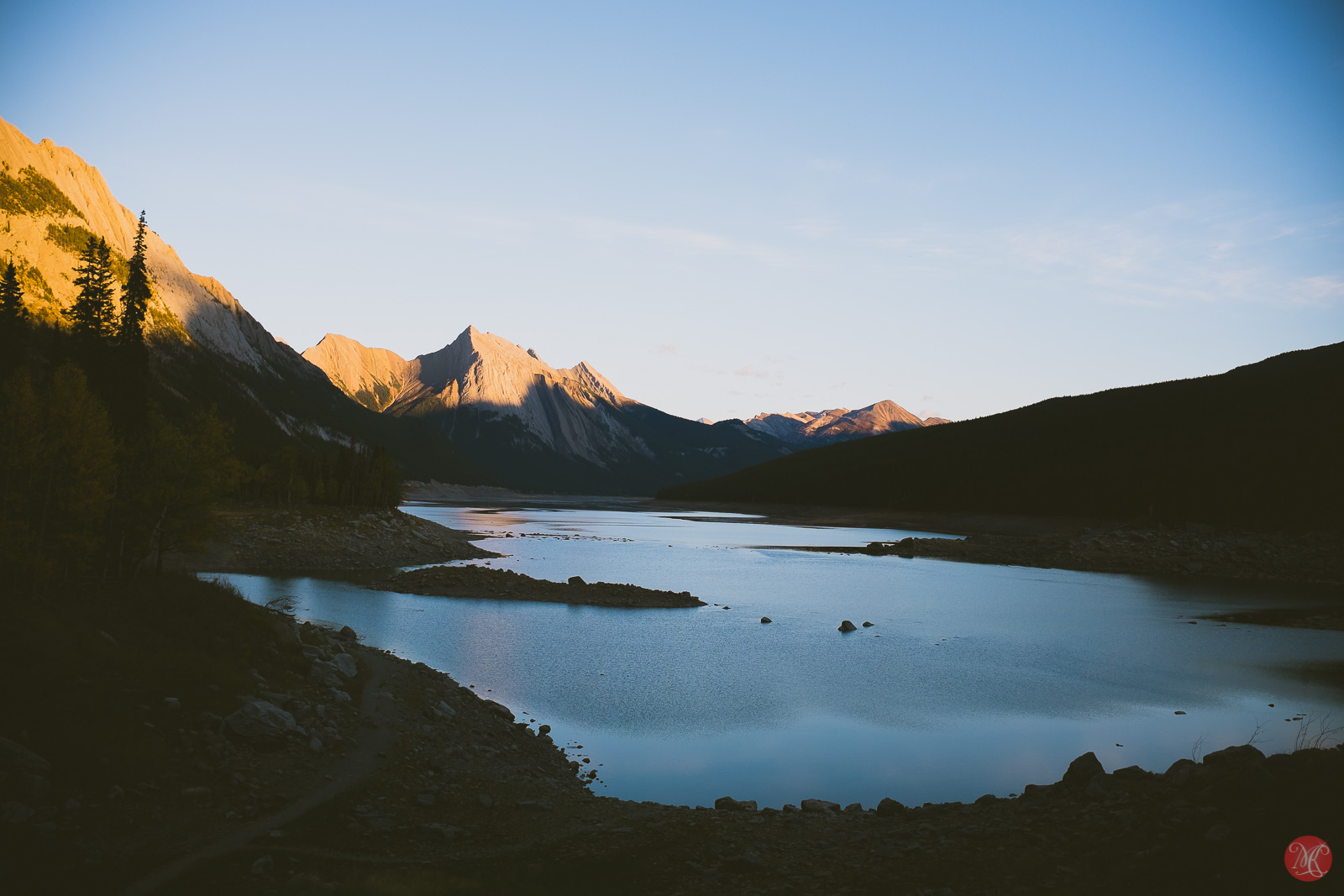
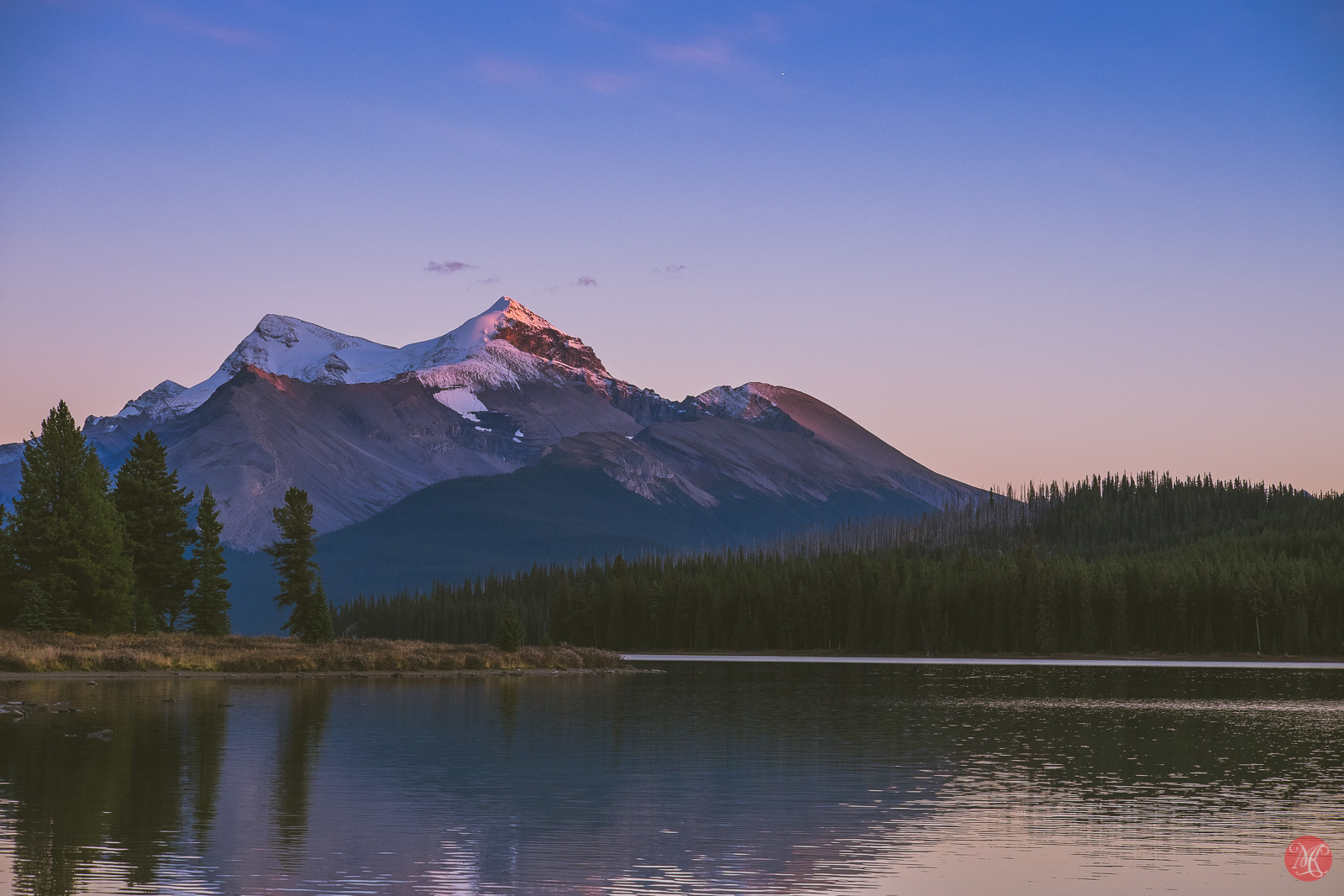
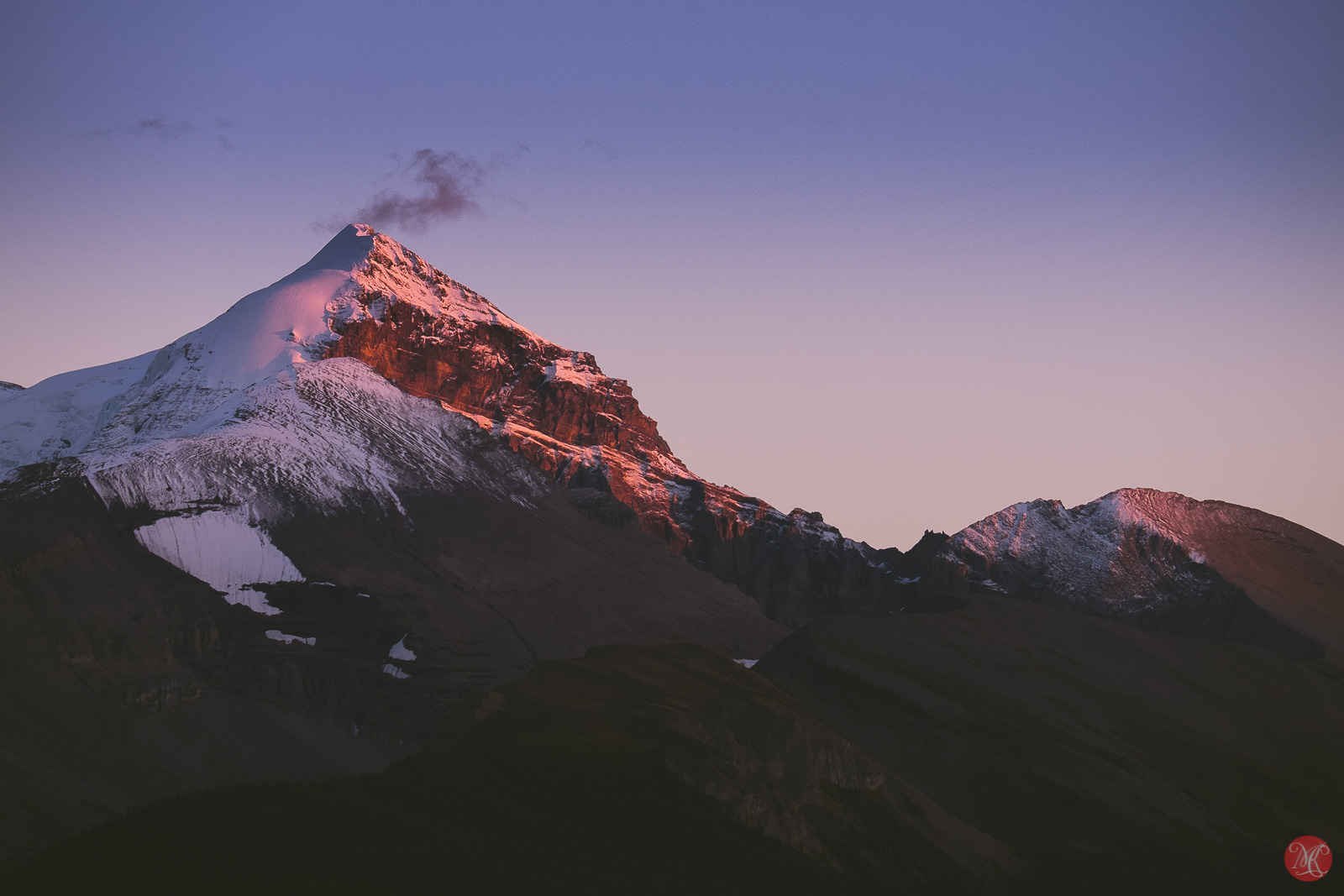
Jasper with Fuji – Alberta Landscape Photography

Jasper with Fuji – Alberta Landscape Photography

I have been off this blog for far too long.  I got images that are piling up, and gathering digital dust, waiting for their turn.  I think it’s time to stop hiding behind the camera. 

Fuji has been with me for almost 4 years.  The love affair started with X100.  For some reason I did not mind it’s quirks and quickly adapted.  All through these years, I’ve been shooting with Fuji, and I am still shooting with Fuji.  Countless images of weddings, boudoir, family, and landscapes.  Like fine wine, the cameras got better and better with age.  This is due to Fujifilm actually updating and upgrading their cameras.  There are not a lot of companies, which are so actively in touch with their user base.  Companies that listen and release updates, instead of new camera bodies, seemingly every few months.  I think this policy has won Fuji very loyal customers.  Will it change?  Possibly, but I believe the core will stay.  Just because the camera does not have the latest wifi, gps, video, or some other gadget, to some it means it’s inferior.  Fortunately for those of us, that care about the images, and not the gear that we use, this is a very short sighted complaint.  There will always be something new around the corner.  A camera with that latest gadget, which, many think, will make them a better photographer. 

We know the true secret. 

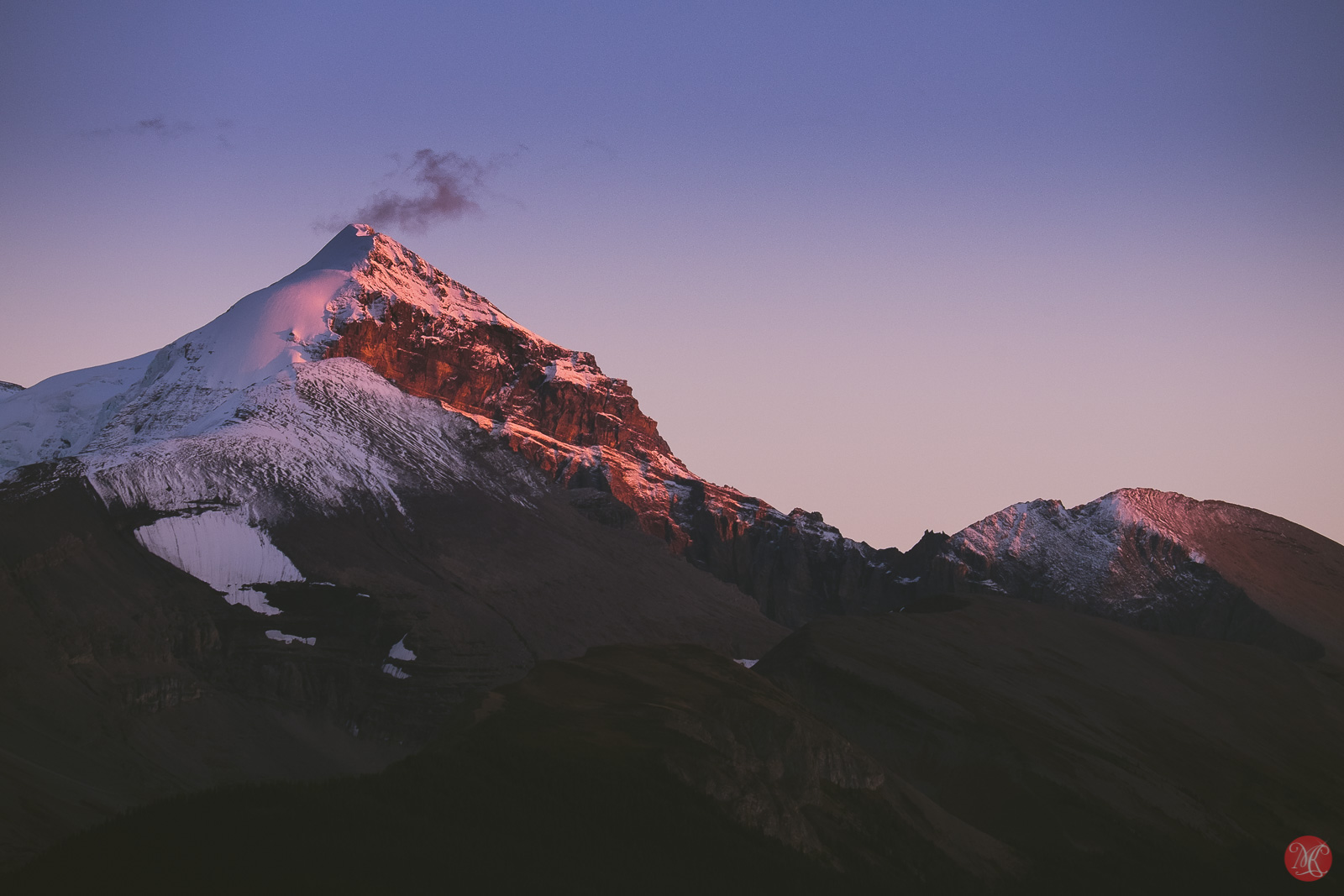
Here are images from a trip to Jasper National Park in Canada that happened sometime last year.  I told you I got many images 🙂

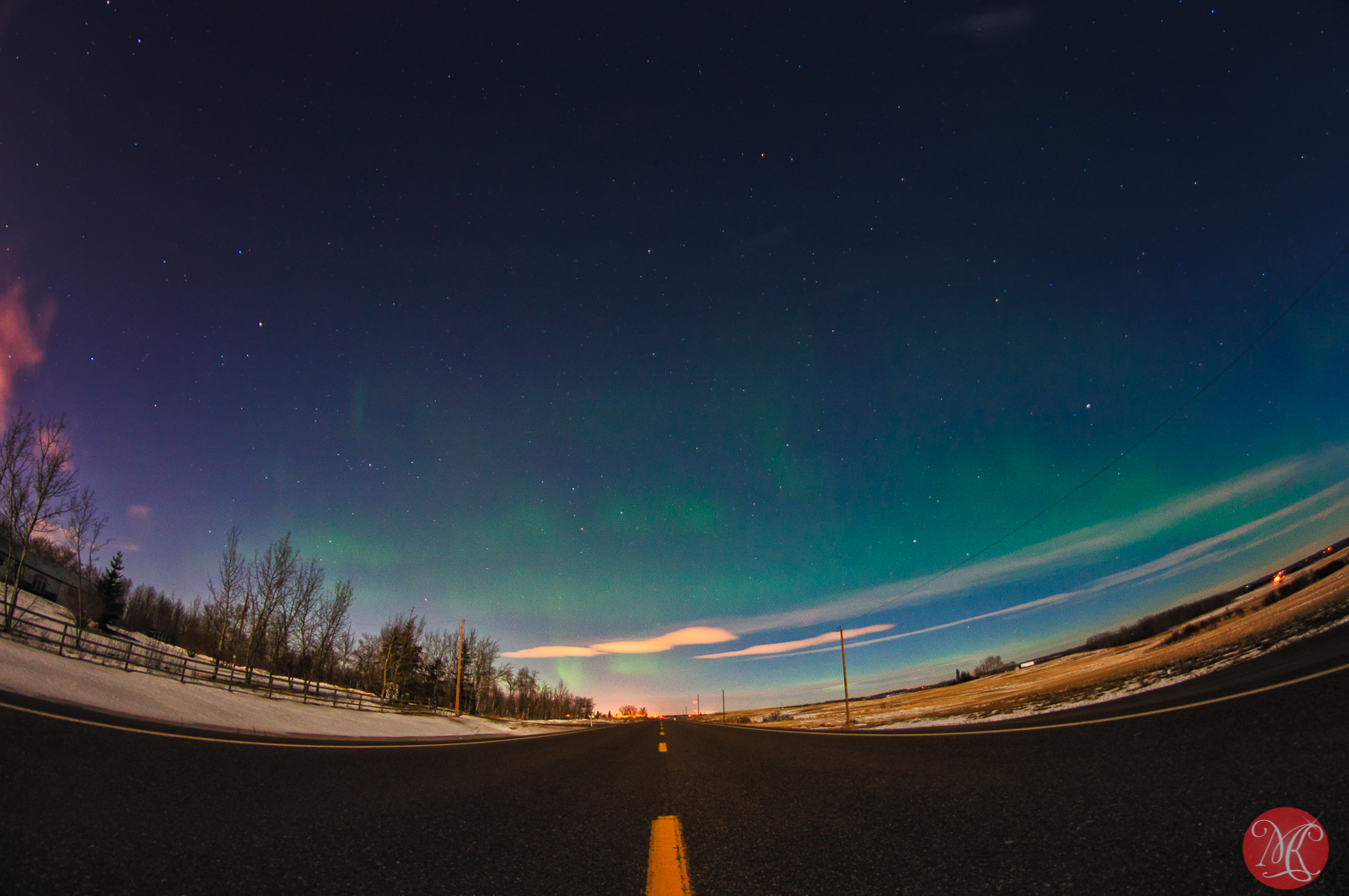
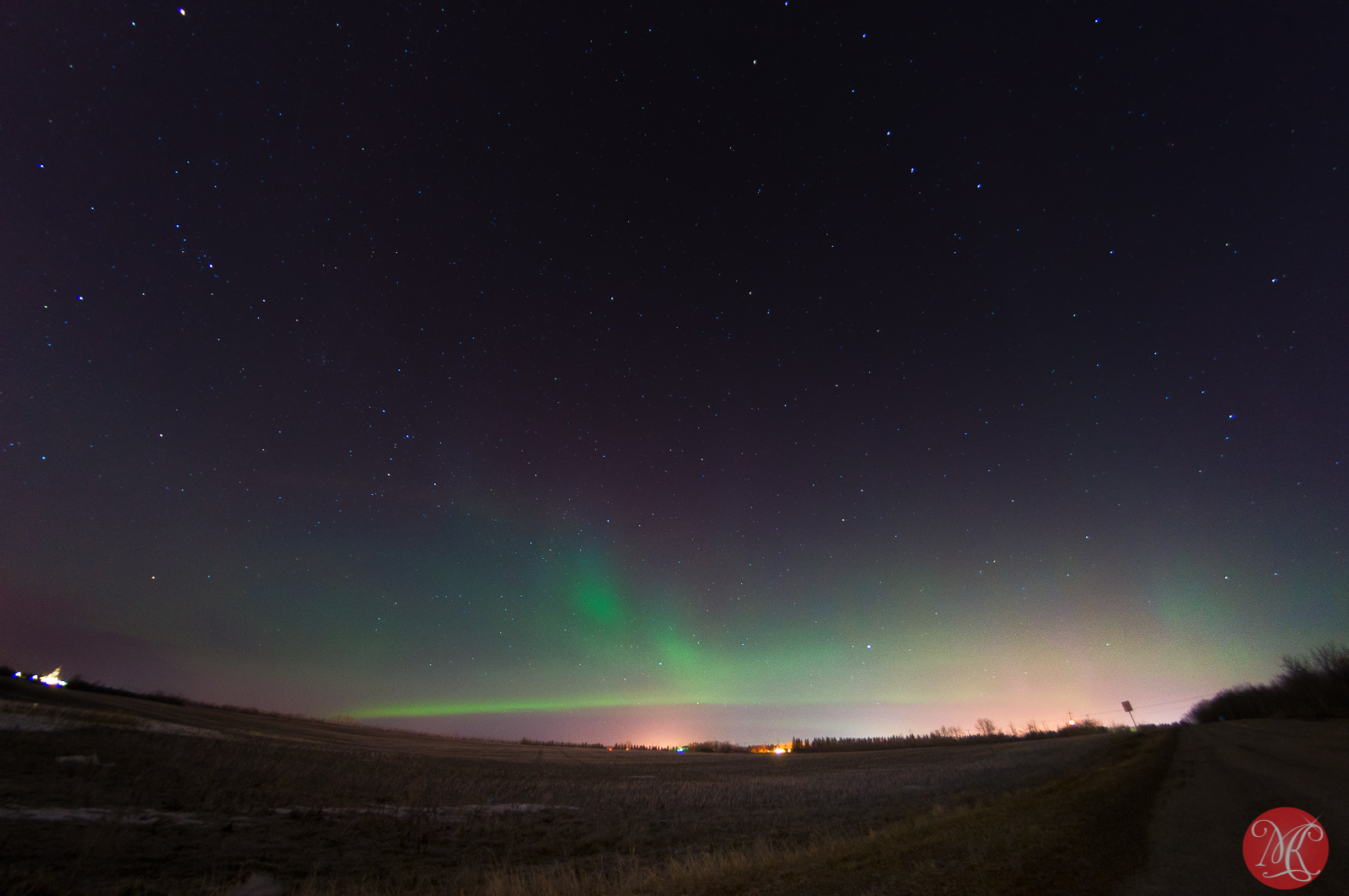
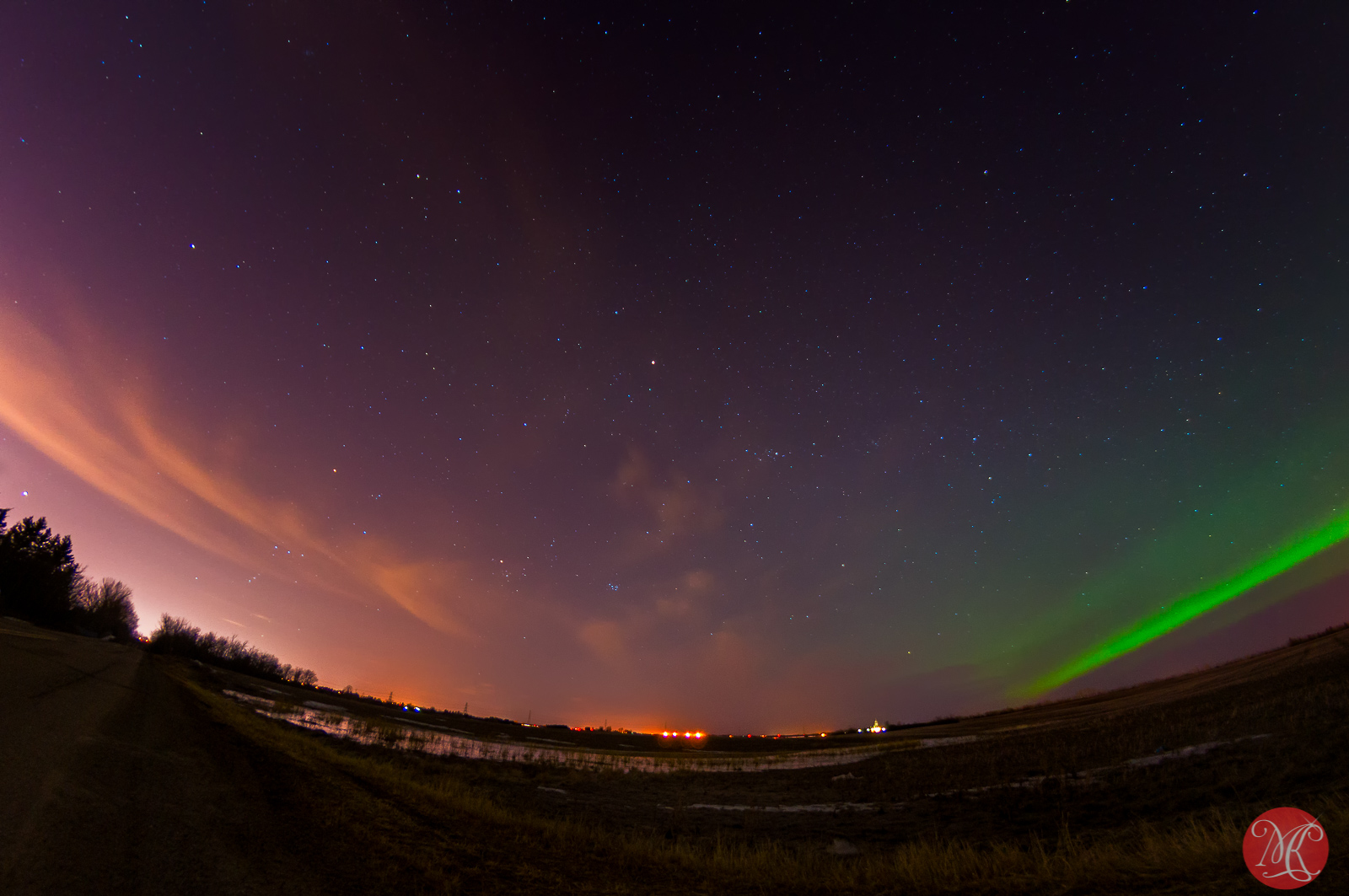
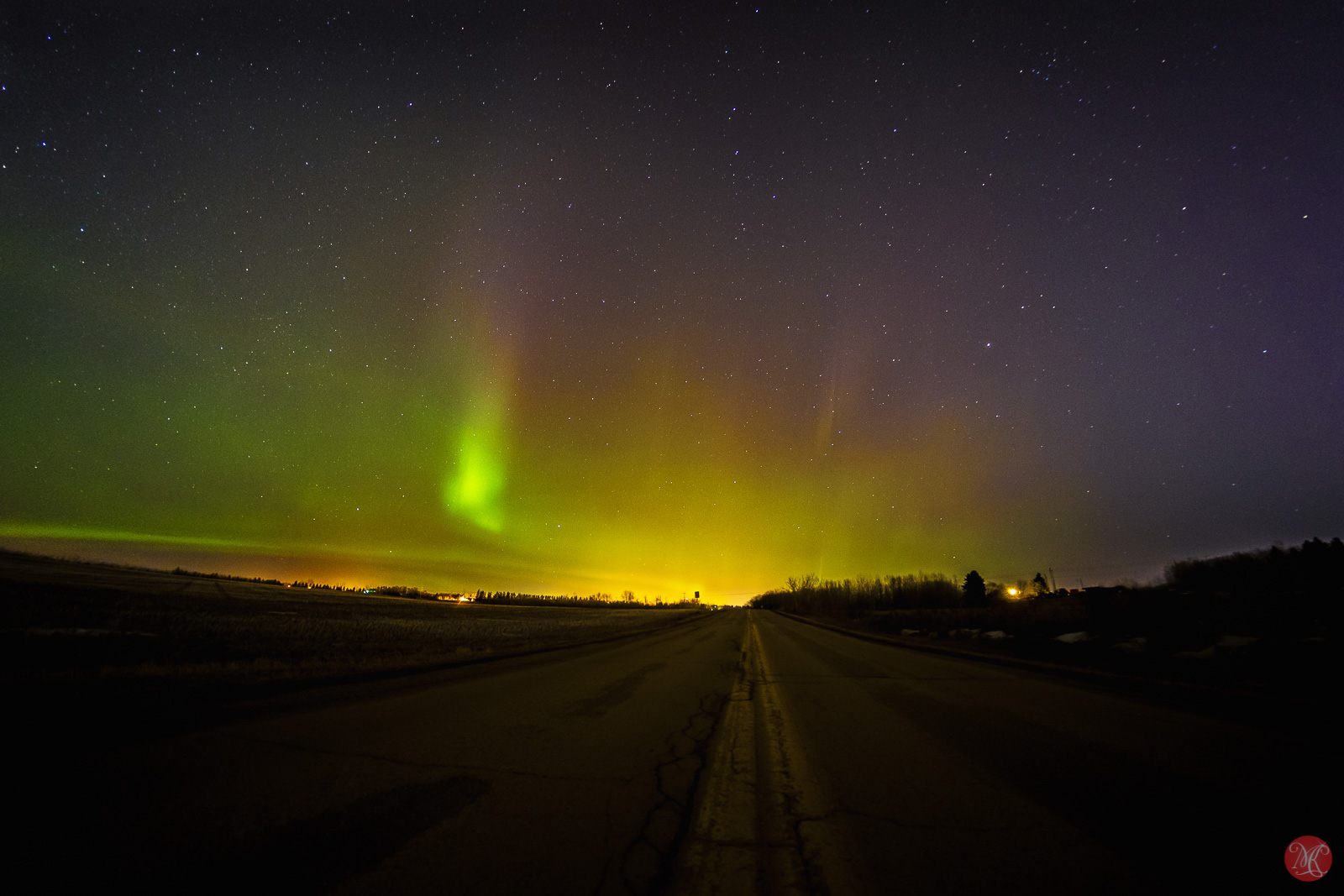
Aurora, Fuji, Sony and Fish-Eye – Alberta Photography

Aurora, Fuji, Sony and Fish-Eye – Alberta Photography

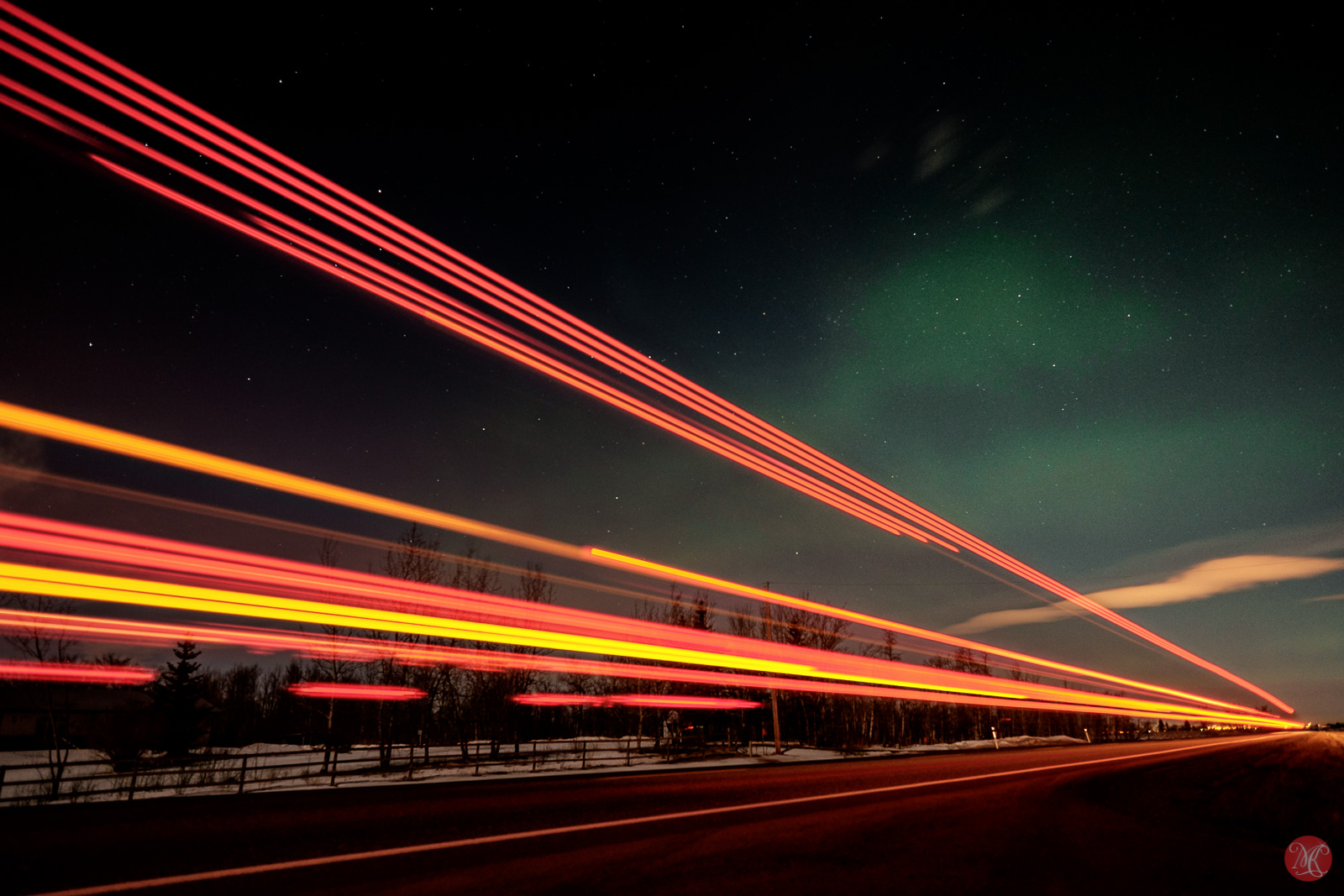
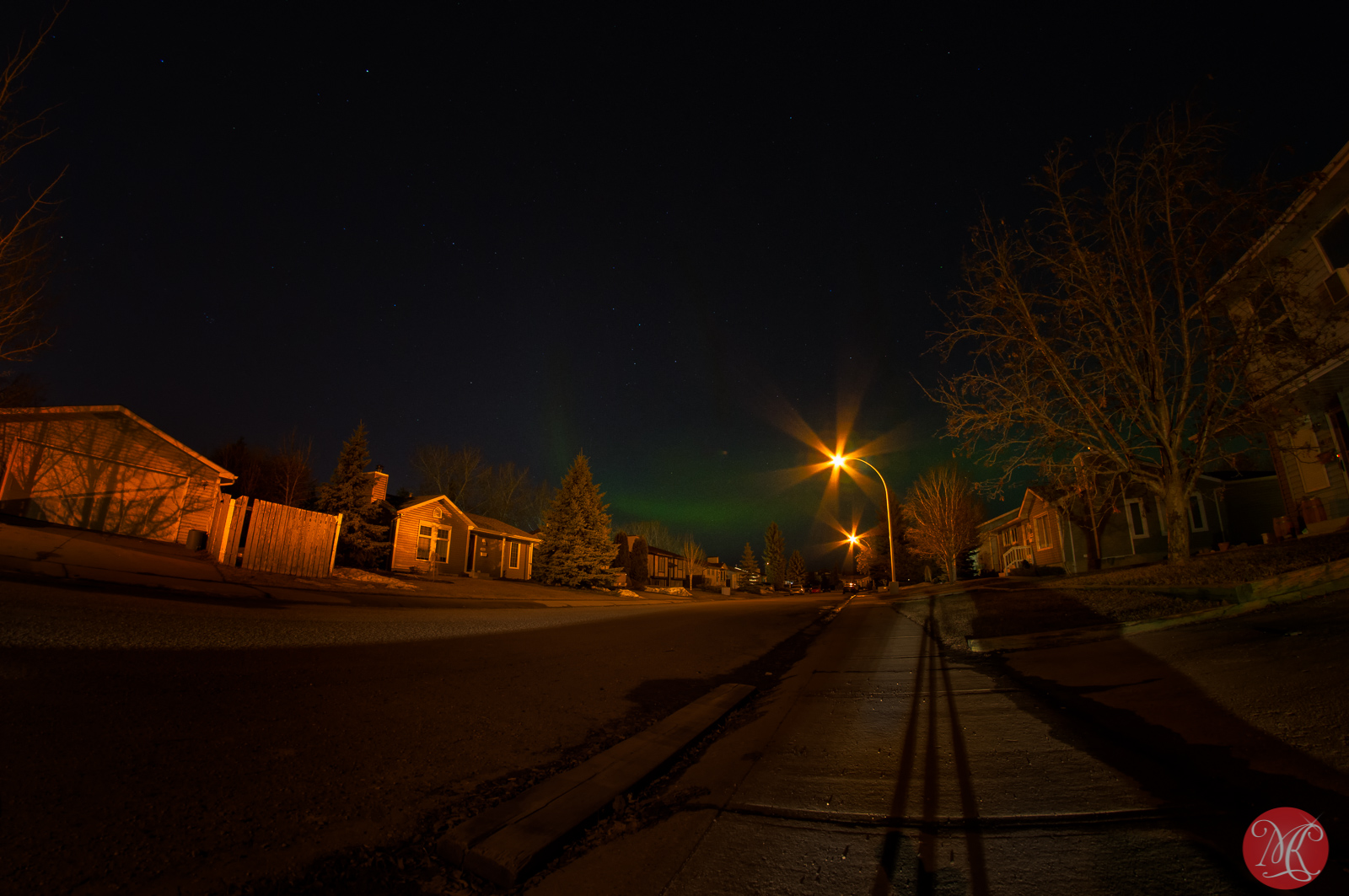
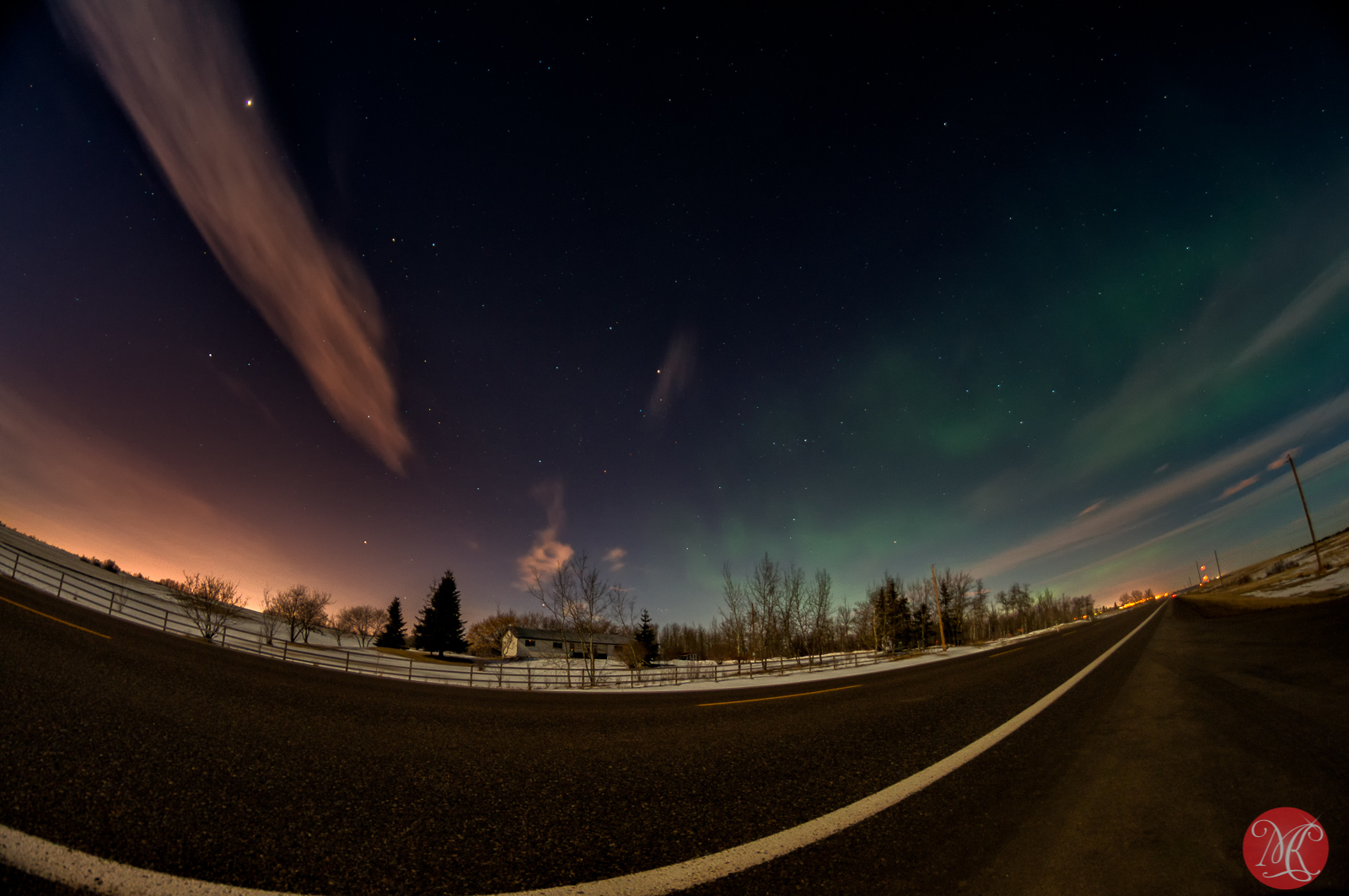
Aurora, Northern Lights, what ever you like to call it, is quite a beautiful sight, if you manage to catch it.  Not only our Sun should be having an angry fit, spouting radiation into space in a fit of rage, but the sky, here on earth, should be preferably cloudless.  It is also hard to predict.  If you want to photograph this phenomenon it’s best to go out early enough, find a pleasing location before it gets fully dark.  Bring a sandwich, hot tea, and settle down for the wait.  Or you can be like us. See it, grab the cameras, and hope for the best.  Trust me, our way is not a very good way, since you will miss most of the light show.
Photographing the Aurora, is relatively easy.  Tripod, wide angle lens, possibly a remote shutter cord, and patience.  I use a manual fish-eye lens on my Fuji X-T1.  I set it to infinity focus, wide open, and set the camera to bulb mode.  Then press the trigger and time my shots.  Depending on the brightness of the event the exposures are 15-20 sec.  Kasia uses her Sony NEX camera in the same fashion. 

The most important thing you can do to capture compelling images of the Northern Lights is planning.  If you are like us, and run out the door with half the things forgotten, you might be in for a frustrating evening, with the dancing light in the sky mocking you.

A Different Look at Calgary

A Different Look at Calgary

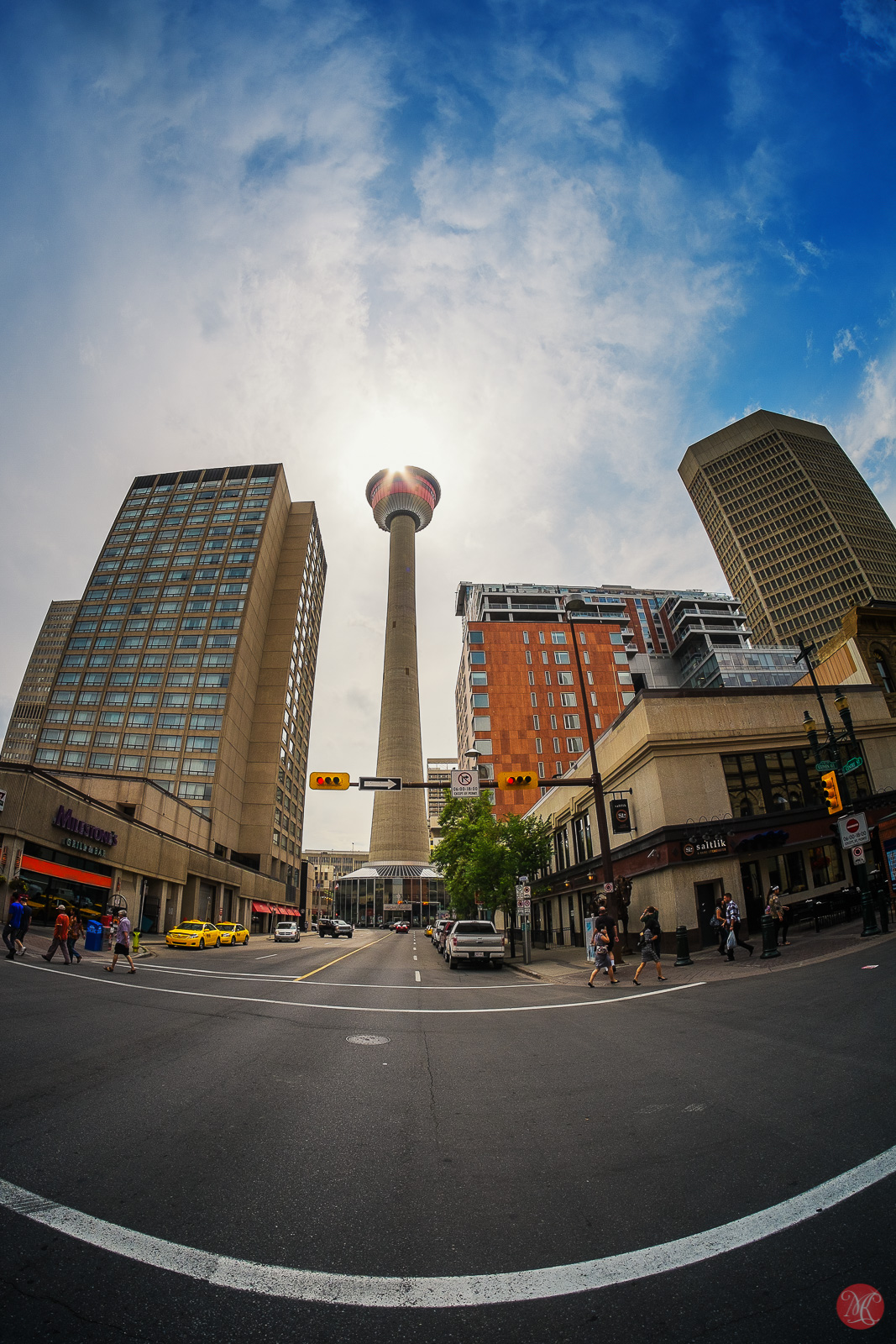
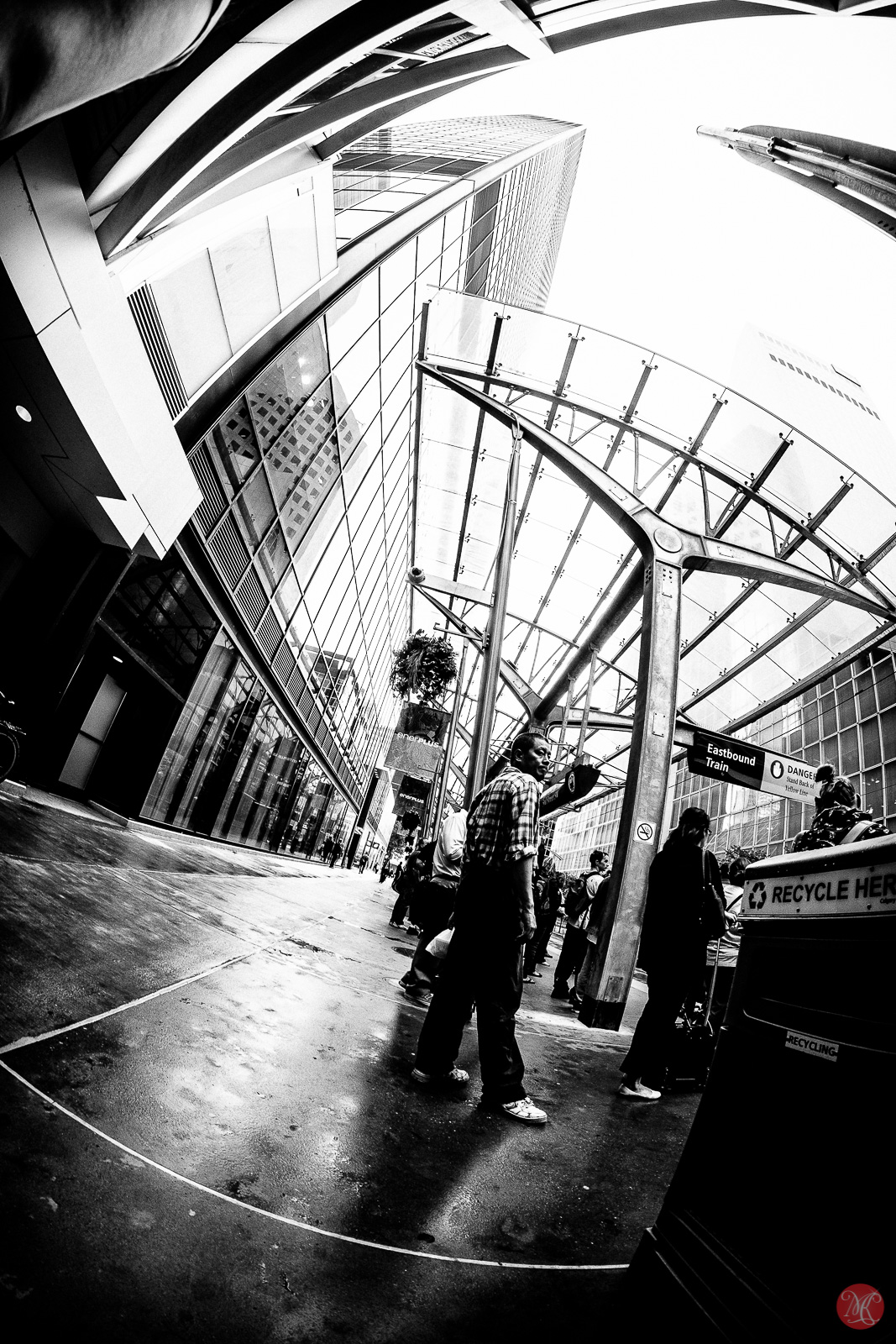
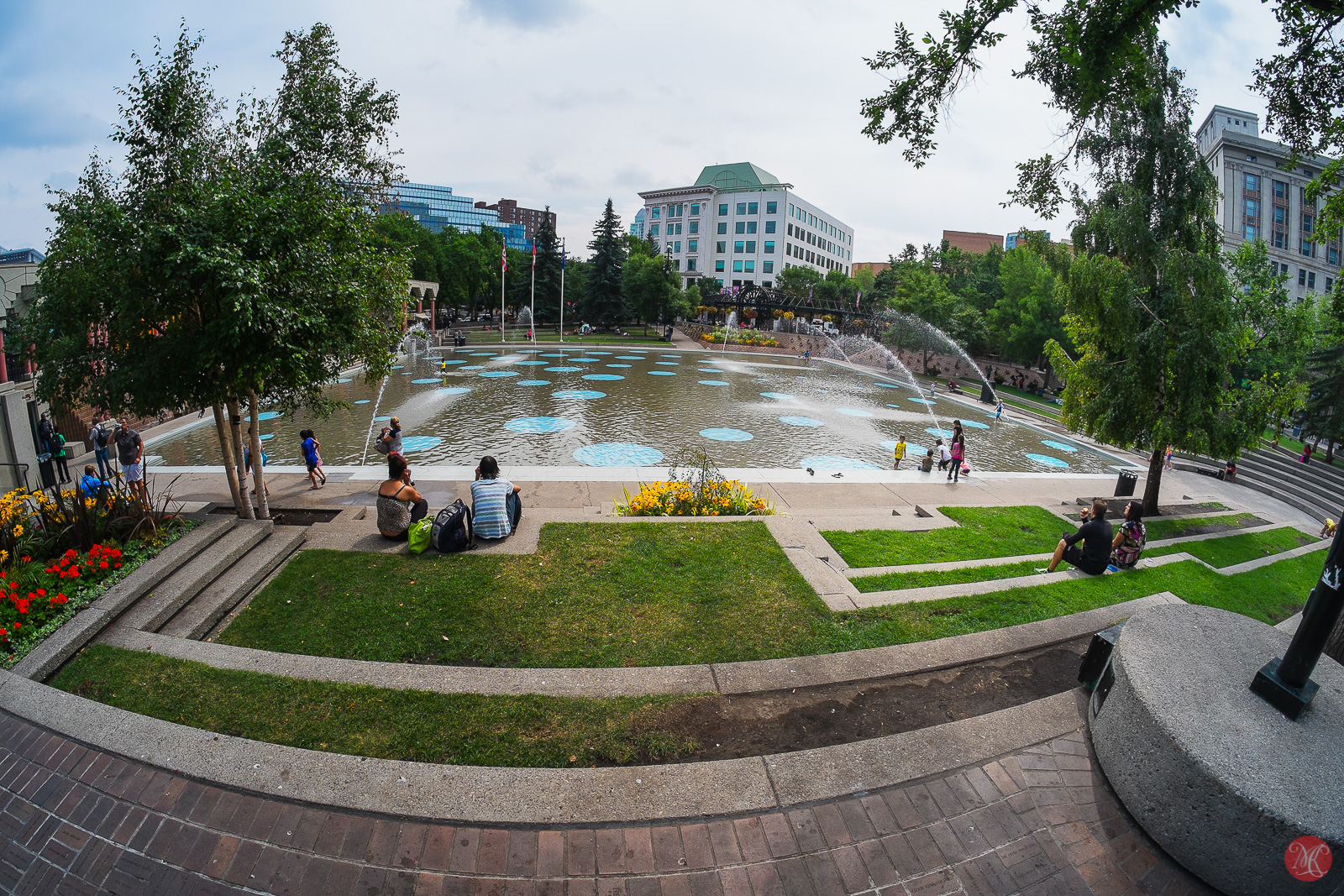
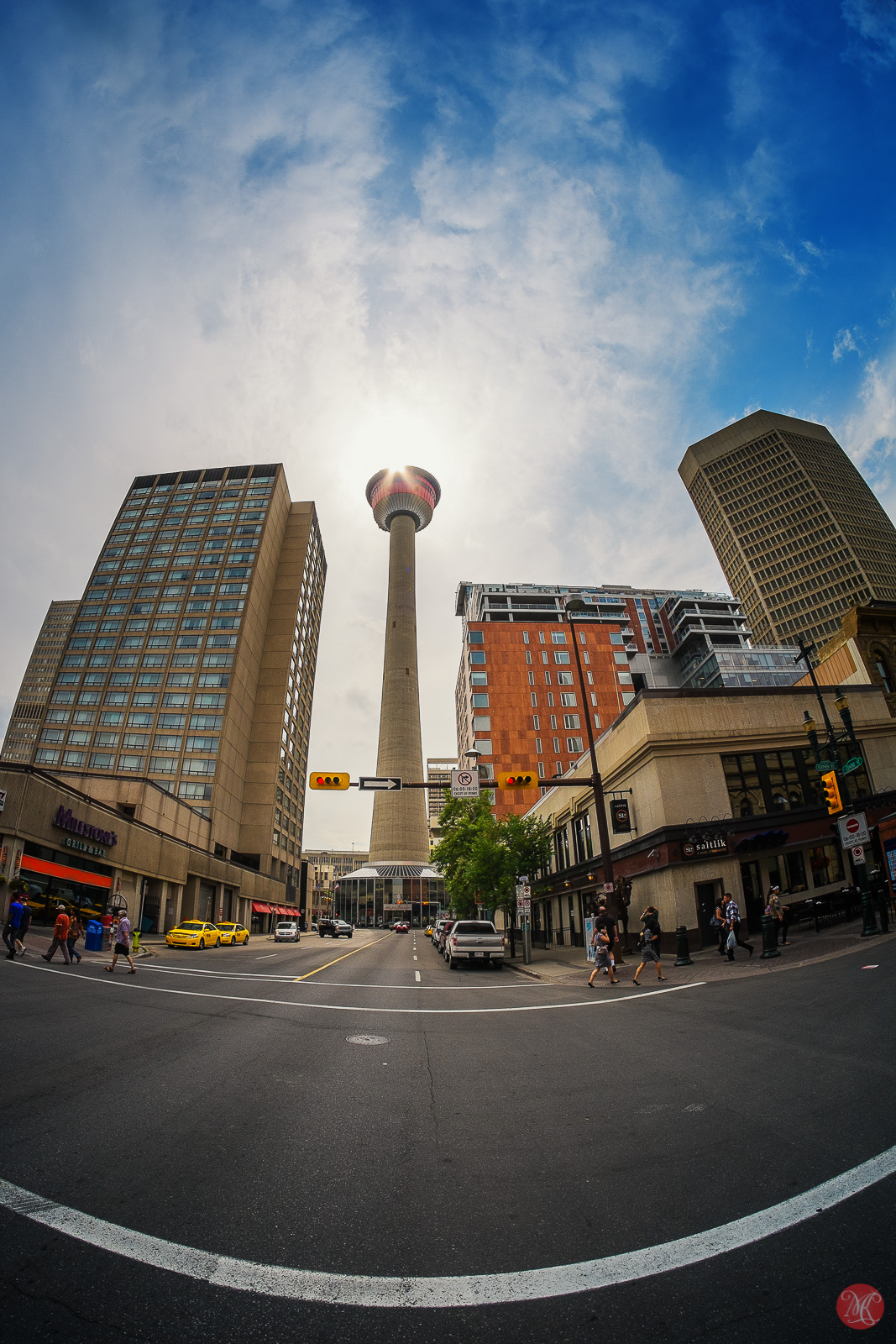
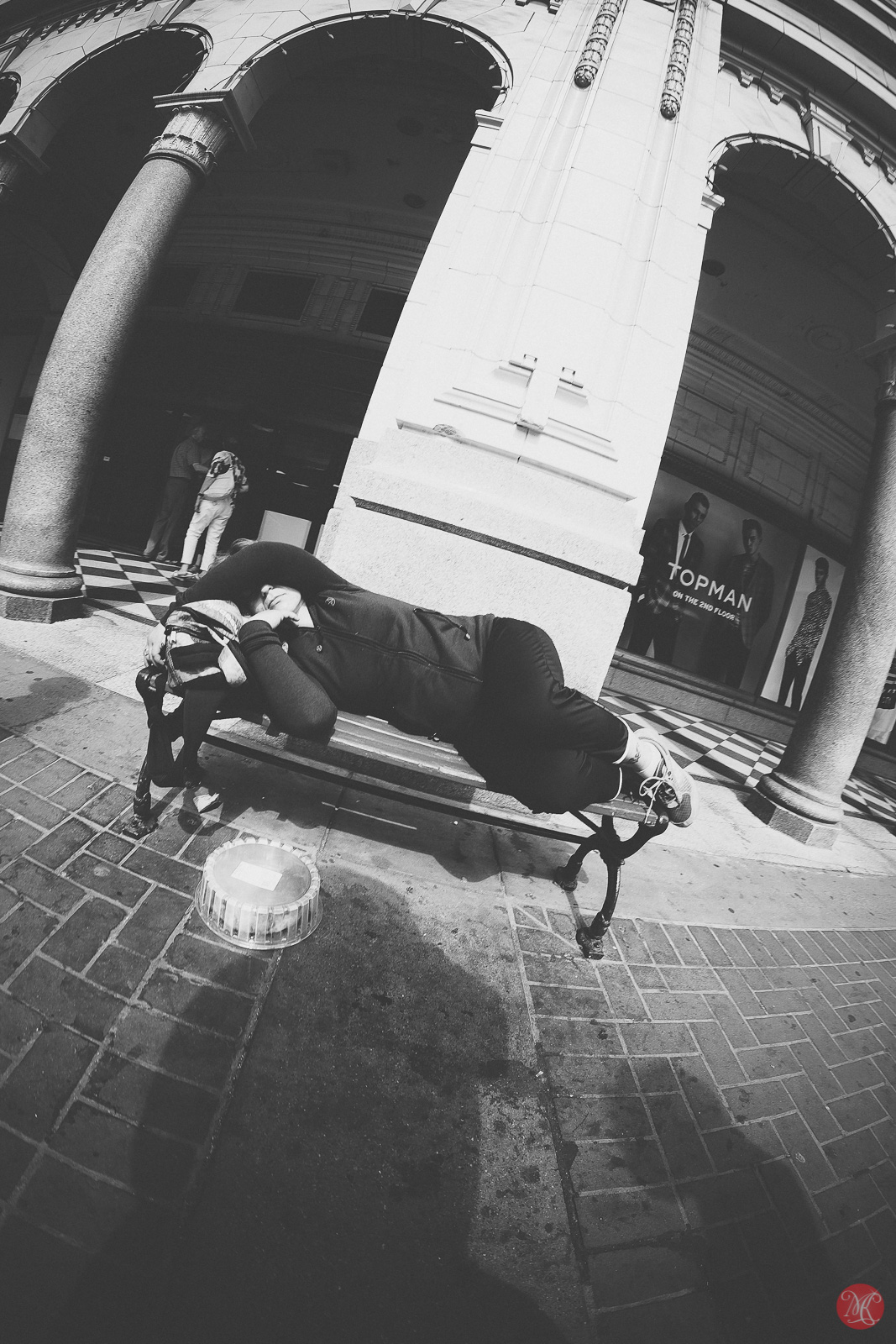
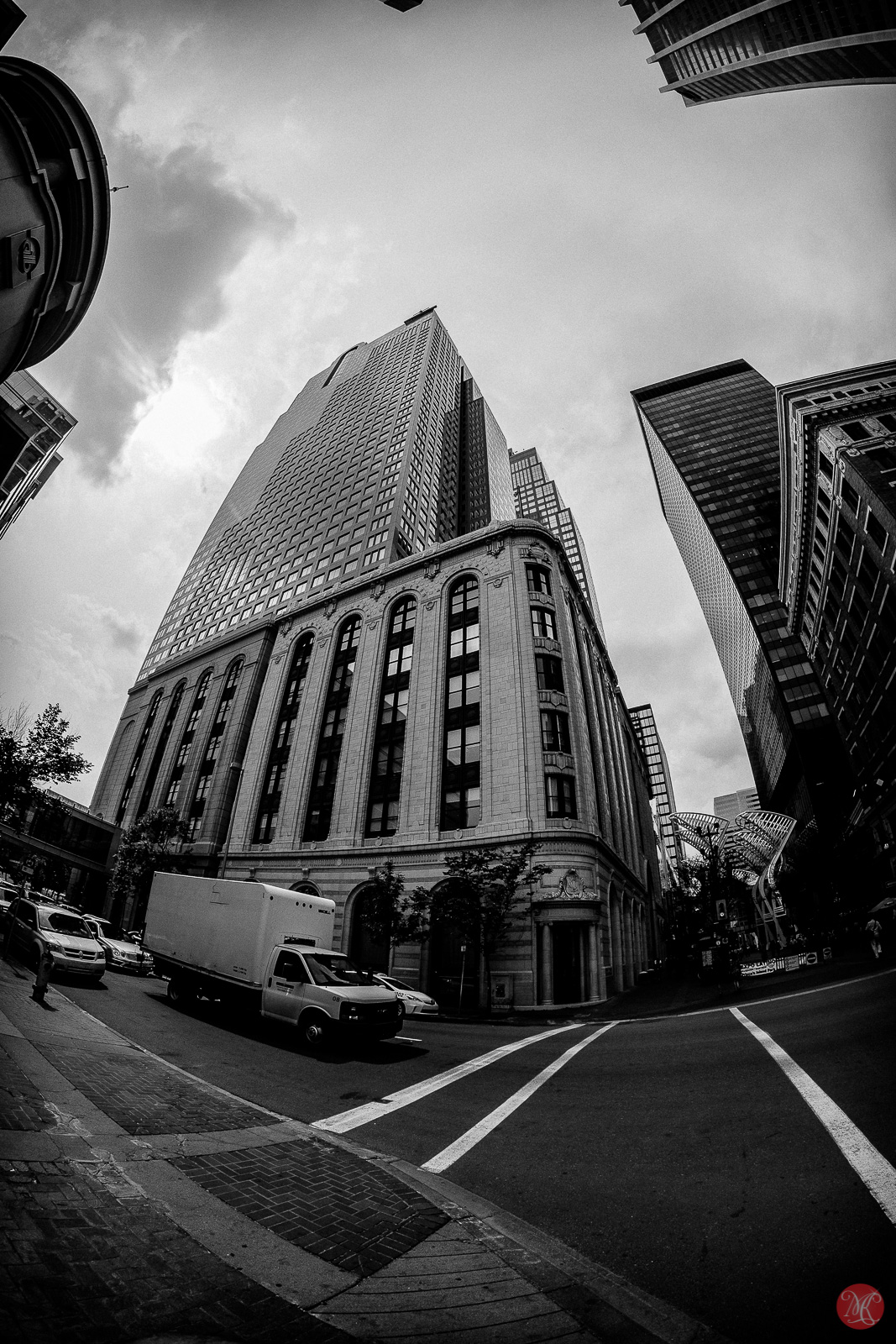
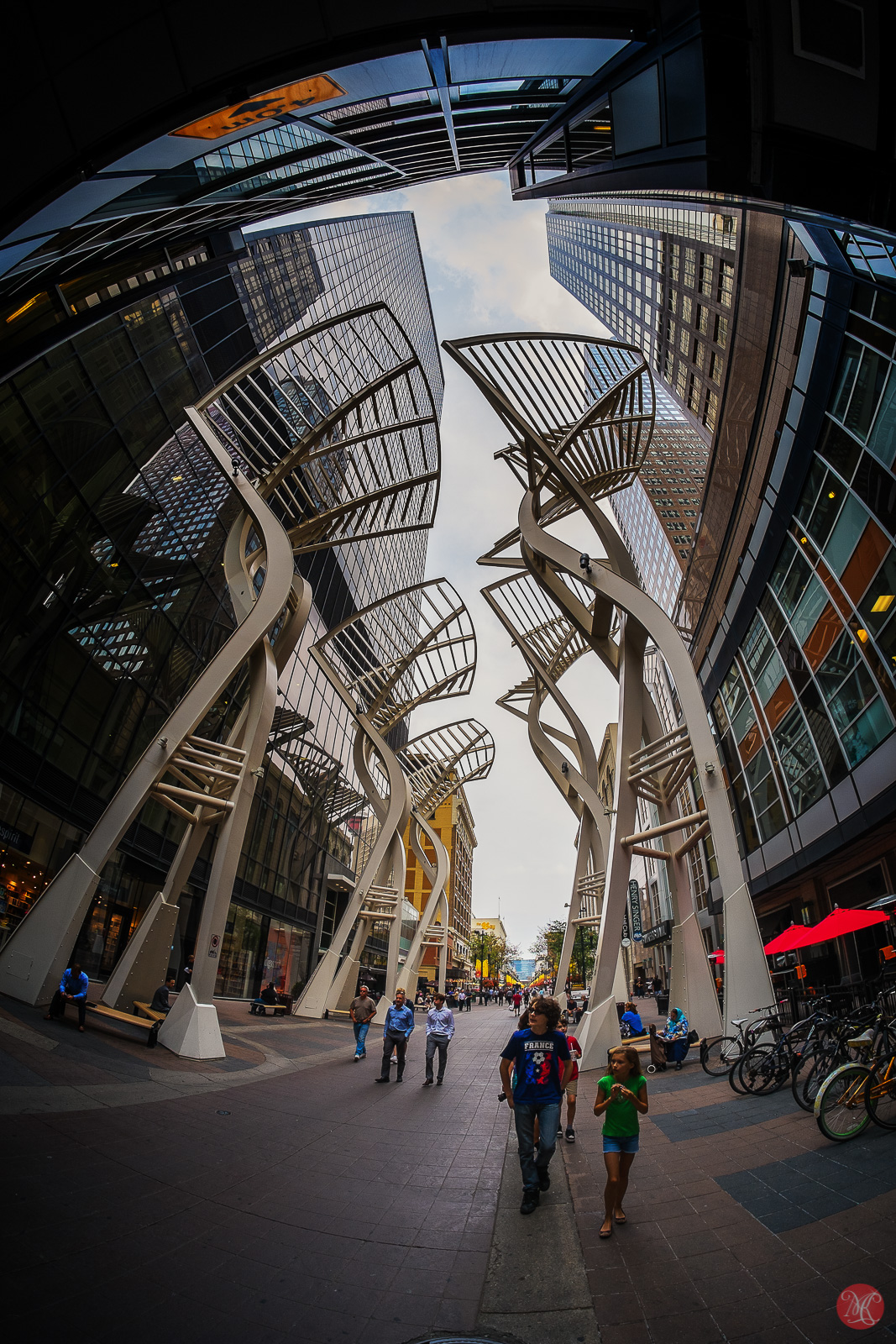
I always liked the look from a fish-eye lens.  The natural look, not corrected.  The best thing about fish-eye lens is that it practically does not need auto focus.  Because it is so wide, all you have to do is put it on aperture f8 set the focus to infinity, and just take pictures.  Practically anything you point the camera at will be in focus.  One thing you have to be careful with is not catching yourself in the frame.  I constantly catch either my feet or my elbows.  Every time I shoot with the fish-eye lens I have remind myself to put my hands behind my back and bend a little forward so I don’t end up in the shot. 

Last year we stopped in Calgary for a few days, to visit family, and since it was beautiful summer weather, we thought it would be a good idea to walk downtown a bit.  Perfect opportunity to for one camera one lens situation, and fish-eye was it. 
You can click on any of the images below for a bigger picture 🙂